- Home/
- Buy Prednisolone in Online Pharmacy – Fast Delivery in United States
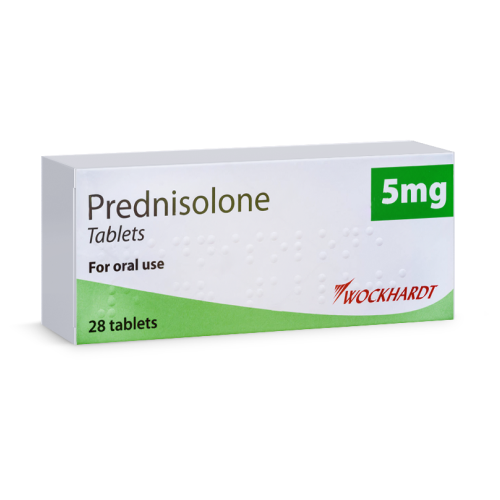
Prednisolone in the United States: A Comprehensive Patient Guide
Can Prednisolone be obtained without a prescription in the United States?
No, Prednisolone is a prescription-only medication in the United States. It is regulated by the Food and Drug Administration (FDA) and can only be dispensed by a licensed pharmacy following a valid prescription from a licensed healthcare provider.
Key Takeaways for Patients Considering Prednisolone
- Prednisolone is typically prescribed for moderate to severe inflammatory and autoimmune conditions such as asthma, rheumatoid arthritis, lupus, severe allergies, and certain eye or skin disorders.
- Therapeutic effect often begins within hours to a few days, but full benefit for chronic conditions may take longer.
- Serious side effects are possible, especially with long-term use or high doses—regular medical supervision is essential.
- A valid prescription from a licensed healthcare provider is required in the United States. Telemedicine or in-person visits are both accepted pathways for obtaining a prescription.
- Sudden discontinuation can be dangerous; always follow your doctor’s instructions for tapering.
- Seek immediate medical advice if you experience new or worsening symptoms while on Prednisolone.
How Does Prednisolone Work in the Body?
Prednisolone is a synthetic glucocorticoid, which means it mimics the action of cortisol—a natural hormone produced by the adrenal glands. Its primary mechanism involves binding to intracellular glucocorticoid receptors, leading to modulation of gene expression. This results in:
- Suppression of inflammatory gene transcription (e.g., reducing cytokine and prostaglandin production).
- Inhibition of phospholipase A2, decreasing production of inflammatory mediators such as leukotrienes and prostaglandins.
- Reduction in immune cell migration and activity, blunting the immune response.
Prednisolone does not require a specific trigger or condition in the body to be effective, but its impact is strongest in active inflammatory or autoimmune processes.
When Rapid Improvements Aren’t Always Obvious: Insights from Clinical Practice
In my experience, many patients expect Prednisolone to provide immediate relief, especially for chronic conditions. While some symptoms like swelling or allergic reactions may improve quickly, deeper healing (such as joint repair or control of autoimmune disease flares) can take days to weeks. It’s common for patients to judge effectiveness by how they feel within hours, overlooking subtle but crucial improvements in lab results or imaging. I often wish patients would ask more about long-term safety, monitoring strategies, and what to expect when tapering off—especially since stopping corticosteroids suddenly can be dangerous. It’s crucial to set realistic expectations and emphasize regular follow-up, as side effects or flare-ups can occur even during treatment.
How Should Prednisolone Be Taken? Dosage, Timing, and Duration
Prednisolone dosing is highly individualized based on the specific condition, its severity, patient weight/age, and response to treatment. Typical starting doses:
- Adults: 5–60 mg per day, usually in a single morning dose or divided doses, depending on indication (e.g., acute asthma exacerbation vs chronic autoimmune disease).
- Children: Doses are weight-based, commonly 0.14–2 mg/kg/day, as directed by a pediatrician.
- For short-term conditions (e.g., allergic reactions), courses may last 3–10 days; for chronic diseases, long-term therapy requires regular reassessment.
- Maximum daily dose: Doses above 80 mg/day are rare and only used in severe, acute flare-ups under intensive monitoring.
- Tablet splitting: Most Prednisolone tablets in the U.S. are scored and can be split, but always verify with your pharmacist, as some extended-release forms must not be split or crushed.
- Peak effect: Onset is within 1–2 hours after oral administration; full anti-inflammatory effect may take longer.
Can Prednisolone Be Taken With Food, Alcohol, or Other Substances?
- With food: Taking Prednisolone with food is recommended to reduce the risk of stomach irritation or ulcers. Fatty meals do not significantly alter absorption, though food may slightly delay peak blood levels.
- Alcohol: Moderate alcohol consumption is not strictly contraindicated, but should be minimized. Combining Prednisolone with alcohol increases the risk of gastrointestinal bleeding, liver strain, and impaired immune response. For safety, limit to no more than one standard drink per day, or avoid entirely.
- Grapefruit juice: Not a significant concern with Prednisolone, as there is no major CYP3A4 inhibition. However, check with your pharmacist if you are taking other medications metabolized by the same pathway.
- General advice: Avoid NSAIDs (e.g., ibuprofen, naproxen) unless prescribed, as this increases the risk of stomach ulcers and bleeding.
Who Should Not Take Prednisolone? Absolute and Relative Contraindications
- Absolute Contraindications (Never Use):
-
- Systemic fungal infections (can worsen and become life-threatening).
- Known hypersensitivity to Prednisolone or any tablet excipients.
- Live or attenuated vaccines (concurrent use): Avoid during high-dose therapy due to risk of infection.
- Relative Contraindications (Use With Caution):
-
- Uncontrolled diabetes (can worsen blood sugar control).
- Severe hypertension (can increase blood pressure).
- Active peptic ulcer disease.
- Recent myocardial infarction (within 6 weeks): High-dose steroids may increase risk of complications.
- Osteoporosis or high fracture risk.
- Severe liver or kidney impairment (dose adjustments may be necessary).
- History of psychiatric disorders (risk of steroid-induced psychosis).
- Pregnancy and breastfeeding: Use only if benefits outweigh risks—discuss options with your provider.
Bottom line: Always review your full medical history and medication list with your doctor before starting Prednisolone.
What Side Effects Are Most Common With Prednisolone?
Side effects depend on dose, duration, and individual risk factors.
- Very Common (>1 in 10)
-
- Increased appetite and weight gain
- Insomnia
- Mood changes (anxiety, agitation, euphoria)
- Fluid retention and facial puffiness (“moon face”)
- Elevated blood sugar
- Common (1 in 100 to 1 in 10)
-
- Indigestion or stomach upset
- Elevated blood pressure
- Muscle weakness
- Increased risk of infections
- Acne or skin thinning
- Bruising easily
- Rare (1 in 10,000 to 1 in 1,000)
-
- Glaucoma or cataracts
- Osteoporosis and bone fractures
- Psychosis or severe mood swings
- Adrenal suppression (dangerous when stopping suddenly)
- Very Rare (<1 in 10,000)
-
- Severe allergic reactions
- Severe infections (e.g., sepsis)
- Pancreatitis
What to do if side effects occur? For mild symptoms, inform your doctor at your next appointment. For severe symptoms (shortness of breath, swelling, confusion, severe abdominal pain), seek immediate medical attention. Never stop Prednisolone abruptly unless directed by your provider.
Common Pitfalls When Using Prednisolone: What Patients Often Get Wrong
- Stopping the medication suddenly: This can trigger adrenal insufficiency, causing fatigue, low blood pressure, and even shock. Always follow your doctor’s tapering schedule.
- Taking doses at inconsistent times: Irregular dosing can both reduce effectiveness and increase side effect risks. Prednisolone should be taken at the same time each day, usually in the morning.
- Ignoring dietary advice: Failing to take Prednisolone with food increases the risk of stomach ulcers. Skipping recommended dietary measures can also worsen weight gain and blood sugar spikes.
- Overlooking infection risks: Many patients miss the importance of infection prevention (handwashing, avoiding sick contacts) while immunosuppressed.
- Not informing other healthcare providers: Always disclose Prednisolone use prior to surgery, vaccinations, or when seeing other specialists.
- Misinterpreting mood or sleep changes: Patients sometimes attribute anxiety or insomnia to unrelated causes, delaying dose adjustment or support.
How to avoid these mistakes? Keep a medication diary, set reminders, follow dietary guidelines, and maintain open communication with your healthcare team. Promptly report new or unexpected symptoms.
How Does Prednisolone Compare to Other Anti-Inflammatory Steroids?
Prednisolone is one of several oral corticosteroids used to control inflammation. Below is a practical comparison with two common alternatives available in the United States.
| Medication | Onset Speed | Duration of Action | Side Effect Risk | Cost (30 tablets, USD) | Notes |
|---|---|---|---|---|---|
| Prednisolone | 1–2 hours | 12–36 hours | Moderate to High (dose-dependent) | $10–$35 (generic) | Commonly used for both acute and chronic conditions |
| Prednisone | 1–2 hours (requires liver activation) | 12–36 hours | Similar to Prednisolone | $8–$25 (generic) | Requires conversion to Prednisolone by the liver |
| Methylprednisolone | 1–2 hours | 18–36 hours | Slightly lower sodium retention risk | $20–$50 (generic) | Often preferred for less water retention |
Takeaway: All three are effective, with choice depending on specific clinical factors. Prednisolone is preferred when liver function is impaired, as it is active without metabolic conversion.
Prednisolone: Product Characteristics at a Glance
| Available Strengths | 1 mg, 5 mg, 10 mg, 20 mg, 50 mg tablets; Ophthalmic and oral liquid forms |
| Administration Route | Oral (tablets, solution), ophthalmic drops, injection (hospital only) |
| Peak Blood Levels | 1–2 hours after oral dose |
| Half-Life (T1/2) | 2–4 hours (biological effect up to 36 hours) |
| Storage | Store at room temperature (68–77°F), away from moisture and heat |
| Prescription Required | Yes, in all U.S. states |
How Is Prednisolone Processed and Eliminated by the Body?
Prednisolone is rapidly absorbed from the gastrointestinal tract, with blood levels peaking within 1–2 hours after oral administration. It is primarily metabolized in the liver via hepatic enzymes, specifically through reduction and conjugation pathways. Elimination: Metabolites are excreted mainly in the urine.
- Half-life: 2–4 hours for plasma; biological effects may persist up to 36 hours due to intracellular receptor binding.
- Patients with severe hepatic impairment may require dose adjustment, as liver metabolism is crucial for clearance.
Prednisolone Compatibility With Common Medications and Substances
| Substance/Medication | Can Combine? | Consequences |
|---|---|---|
| Aspirin / NSAIDs | Use with caution | Increased risk of stomach ulcers/bleeding |
| Insulin / Oral diabetes meds | With monitoring | May require higher diabetes medication doses |
| Live vaccines | NO (high-dose steroid use) | Severe infection risk |
| Alcohol | Minimize | Higher risk of ulcers, impaired immunity |
| Anticoagulants | With monitoring | May increase or decrease blood thinning effect |
| Grapefruit Juice | Generally safe | No major interaction reported |
Special Considerations: What If I Have Other Medical Conditions?
- Elderly (65+): Higher risk of osteoporosis, muscle loss, and diabetes. Lower starting doses and bone protection measures are often recommended.
- Children: Growth monitoring is necessary. Use the lowest effective dose and shortest duration possible.
- Liver impairment: Dose reduction may be needed; monitor for toxicity.
- Kidney impairment: Generally safe, but fluid retention and blood pressure must be monitored.
- Pregnancy/Breastfeeding: Use only if benefits outweigh potential fetal or neonatal risks. Discuss with your obstetrician.
- Fertility: No direct evidence of impaired fertility, but long-term use could affect menstrual cycles or sperm production.
- Driving/operating machinery: Unlikely to cause drowsiness, but mood changes or muscle weakness can occur—exercise caution until you know your response.
Should I Choose a Brand-Name or Generic Prednisolone?
Generics contain the same active ingredient as brand-name Prednisolone, with equivalent dosage, quality, and effectiveness. Differences may exist in inactive ingredients (excipients), which can rarely trigger allergies in sensitive individuals.
- Advantages of generics: Lower cost, widespread availability, same therapeutic effect.
- Brand-name products: Sometimes preferred if you have known intolerance to certain excipients or need a specific formulation.
- Ask your pharmacist for a list of inactive ingredients in your specific product if you have a history of allergies.
Step-by-Step: How to Get Prednisolone Through Legal Channels
- Step 1: Schedule a medical evaluation. This can be with your primary care provider, a relevant specialist (e.g., rheumatologist, pulmonologist), or through a licensed telemedicine platform.
- Step 2: Receive a diagnosis and treatment plan. The provider will assess your medical history, current symptoms, and determine if Prednisolone is appropriate.
- Step 3: Obtain a prescription. If prescribed, the provider will send an electronic prescription to your chosen U.S. pharmacy.
- Step 4: Fill your prescription at a licensed pharmacy. Pharmacists are required to verify the prescription and may counsel you on safe use, interactions, and side effects.
- Step 5: Follow up as directed. Regular monitoring is often necessary, especially for long-term use.
How Can I Safely Identify a Legitimate Online Pharmacy in the United States?
- Look for VIPPS accreditation: The National Association of Boards of Pharmacy (NABP) runs the “Verified Internet Pharmacy Practice Sites” (VIPPS) program. Check for the VIPPS seal and verify participation on the NABP official website.
- Require a valid prescription: Legitimate pharmacies always require a U.S. prescription; sites that do not are operating illegally.
- Check for clear contact information and a physical address in the U.S.
- Be wary of “too good to be true” prices. Unusually low prices may indicate counterfeits or unsafe sources.
- Never purchase from sites offering “no prescription needed.” These are illegal and unsafe.
How Can I Tell if My Prednisolone is Genuine?
- Check the packaging: U.S.-approved products feature English-language labeling, a manufacturer name, NDC (National Drug Code), lot number, and expiration date.
- Look for tamper-evident features: Many legitimate products have holograms, QR codes, or security seals.
- Tablet appearance: Genuine tablets are uniform in size and shape, usually white or off-white, often scored. No powdery residue, discoloration, or misspellings on blister packs.
- Price check: Prices much lower than local pharmacy rates are a red flag.
- Generics: FDA-approved generics are safe and effective. Always ask your pharmacist if you’re unsure about your product’s authenticity.
Dealing With Inflammation: Remember, You Are Not Alone
Living with chronic inflammation or autoimmune disease can be physically and emotionally challenging. These conditions are common, manageable, and nothing to be ashamed of. If you feel overwhelmed, it may help to talk openly with your healthcare provider, loved ones, or a mental health professional. Emotional support is an important part of your overall treatment plan.
Myth vs Reality: Prednisolone Expectations
- Myth: Prednisolone works instantly for all types of inflammation.
Reality: Relief may be rapid for some symptoms, but full benefits may take days or weeks for chronic diseases. - Myth: All side effects are unavoidable.
Reality: Many can be minimized with careful dosing, dietary adjustments, and regular monitoring. - Myth: It’s safe to stop when I feel better.
Reality: Sudden discontinuation is dangerous; always follow your doctor’s tapering instructions.
What Should I Do If I Take Too Much Prednisolone?
- Stop taking Prednisolone immediately.
- Call Poison Control (1-800-222-1222) or 911 for emergency help in the United States.
- Inform the medical team of the exact amount and timing of the dose taken.
- Do not attempt to induce vomiting or treat the overdose yourself.
- Bring the medication packaging with you, if possible.
Symptoms of overdose may include: rapid weight gain, swelling, severe muscle weakness, high blood pressure, confusion, or seizures. Immediate intervention is critical to prevent serious complications.
Questions Frequently Asked to the Doctor About Prednisolone Therapy
- How will I know if Prednisolone is working for my condition?
- Clinical improvements—such as reduced pain, swelling, or breathing difficulty—are often the first signs. Lab markers and imaging may also improve, but some effects take time. I monitor both symptoms and objective findings to assess efficacy.
- Will I experience side effects right away, or only after long-term use?
- Some side effects (like increased appetite or insomnia) can appear within days, while others (osteoporosis, cataracts, diabetes) develop gradually. I discuss both with patients up front and monitor regularly.
- Can I take other medications or supplements while on Prednisolone?
- Many medications and even some supplements can interact with Prednisolone. Always provide a complete list of everything you take so I can check for interactions and advise on necessary adjustments.
- How do you decide when to reduce the dose or stop therapy?
- I base this decision on your clinical response, lab results, and any side effects. Tapering is always gradual to avoid adrenal insufficiency. We’ll plan a personalized schedule together.
- What monitoring is needed during therapy?
- Depending on your condition and duration of therapy, I may order blood sugar, blood pressure, bone density, eye exams, and infection monitoring. This helps ensure safety and catch complications early.
- Is there anything I can do to reduce my risk of long-term complications?
- Yes—following dietary guidelines, regular exercise, weight monitoring, and bone health strategies all help. I may recommend calcium and vitamin D supplementation, and sometimes additional medications for bone protection.
Clinical Assessment by the Doctor: Prednisolone’s Role in Treating Inflammatory Disease
In my practice, Prednisolone is most beneficial for patients experiencing moderate to severe inflammatory conditions where other treatments have proven insufficient—particularly in acute flares of asthma, lupus, severe allergies, or certain types of arthritis. It can also be life-saving in cases of autoimmune disease exacerbation. However, patients with a history of poorly controlled diabetes, osteoporosis, psychiatric disorders, or chronic infections may face greater risks from systemic steroid use. In such cases, I carefully weigh the benefits against the risks and often consider lower-dose regimens, shorter courses, or alternative immunomodulatory therapies. For patients requiring long-term corticosteroids, periodic reassessment is critical: we regularly review whether steroid-sparing agents or biologics could be safer and more effective. Ultimately, the decision to start or continue Prednisolone must be individualized, balancing immediate symptom control against the potential for adverse effects. Open communication and shared decision-making are central to optimizing outcomes.
Frequently Asked Questions (FAQ) About Prednisolone in the United States
- Is Prednisolone effective for all types of inflammation?
- Prednisolone is effective for many inflammatory and autoimmune conditions, but not all. The appropriateness depends on the specific diagnosis and should be determined by a healthcare provider.
- What is the typical dosage for Prednisolone?
- Dosage varies widely based on condition, age, and severity. Typical adult doses range from 5–60 mg per day. Always follow your doctor’s instructions.
- Do I need a prescription for Prednisolone in the United States?
- Yes, a valid prescription from a licensed healthcare provider is required in all states.
- What are the most severe side effects I should watch for?
- Watch for signs of infection, severe mood changes, vision problems, or sudden swelling. If you develop any of these, seek care immediately.
- How much does Prednisolone cost in the U.S.?
- Generic Prednisolone is generally affordable, with a typical 30-tablet course costing between $10–$35. Prices may vary depending on dose and pharmacy.
- Can Prednisolone be delivered to my home?
- Yes, many licensed U.S. pharmacies and mail-order services offer home delivery for prescriptions, provided you have a valid prescription on file.
- How long can I safely take Prednisolone?
- Short courses (a few days to a few weeks) are generally safe for most people. Long-term use increases the risk of complications and requires ongoing monitoring by your provider.
- Are there alternatives to Prednisolone for managing inflammation?
- Yes—non-steroidal anti-inflammatory drugs (NSAIDs), disease-modifying antirheumatic drugs (DMARDs), biologics, and physical therapy are examples. The best alternative depends on your diagnosis and medical history.
- What happens if I miss a dose?
- If you miss a dose, take it as soon as you remember, unless it’s almost time for your next dose. Never double up. Contact your doctor for advice if you miss more than one dose.
- Can I stop taking Prednisolone when I feel better?
- No. Sudden discontinuation is dangerous and may cause adrenal insufficiency. Always taper under medical supervision.
References
- U.S. Food and Drug Administration (FDA) – https://www.fda.gov/drugs
- National Institutes of Health (NIH) DailyMed: Prednisolone – https://dailymed.nlm.nih.gov/dailymed/
- Mayo Clinic: Prednisolone (oral route) – https://www.mayoclinic.org/
- National Association of Boards of Pharmacy (NABP) – https://nabp.pharmacy/
- PubMed – Prednisolone pharmacokinetics and clinical uses. https://pubmed.ncbi.nlm.nih.gov/
- American College of Rheumatology Clinical Guidelines – https://www.rheumatology.org/
- Centers for Disease Control and Prevention (CDC) – https://www.cdc.gov/