
- Home/
- Buy Nolvadex in Online Pharmacy for United States Customers
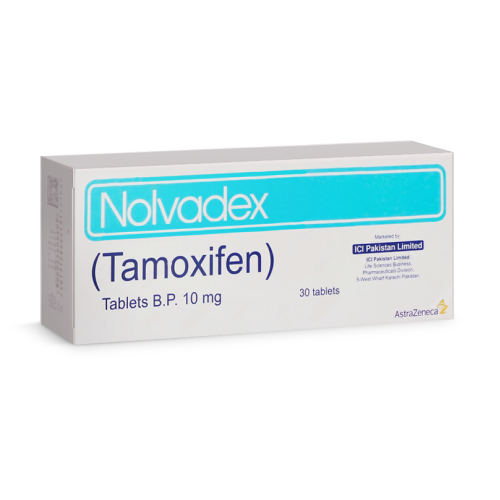
Nolvadex is a prescription medication widely used in the United States to treat hormone receptor-positive breast cancer, both in early and advanced stages. Its active ingredient, tamoxifen, works by blocking the effects of estrogen on breast tissue—a crucial factor for many types of breast cancer. Before starting Nolvadex, patients should understand that while it can significantly reduce the risk of cancer returning, it also comes with potential side effects and practical considerations that can shape daily life during treatment.
Nolvadex or Not? The Real-World Decision Point
Imagine a woman sitting across from her oncologist, newly diagnosed with hormone receptor-positive breast cancer. She’s overwhelmed by the swirl of options—surgery, radiation, chemotherapy, pills she’s never heard of. The conversation zeroes in on one recurring name: Nolvadex. Why does this drug, among so many, keep making its way into the treatment plan?
For patients in the United States, Nolvadex is often the go-to after primary treatments such as surgery or radiation, especially when the tumor is estrogen receptor-positive. The medication isn’t just a box to tick—it’s a real fork in the road. Taking Nolvadex means committing to five, sometimes even ten years of daily therapy. The decision is rarely black-and-white. For some, it offers a proven reduction in cancer recurrence; for others, the side effects and the realities of long-term use feel daunting.
Here’s what often gets lost in clinical summaries: the decision to start Nolvadex is deeply personal. It’s influenced by age, menopausal status, risk of recurrence, personal tolerance for side effects, and even insurance coverage. The question isn’t “Should everyone with hormone-positive breast cancer take Nolvadex?” It’s “Is Nolvadex the best fit for you, right now, given your goals and your life?”
The rest of this article is built to help you move from overwhelmed to informed—to see beyond the “standard of care” and into the realities of what Nolvadex means for your health, your body, and your day-to-day life.
How Nolvadex Works Against Breast Cancer—Beyond the Science
Nolvadex doesn’t kill cancer cells directly. Instead, it wages a quieter war—blocking estrogen, the hormone that fuels growth in many breast cancers. Tamoxifen, its active ingredient, binds to estrogen receptors in breast tissue. This action stops estrogen from “feeding” the cancer, slowing disease progression and, in many cases, preventing a recurrence after successful initial treatment.
- Estrogen receptor-positive (ER+) breast cancer
- The majority of breast cancers diagnosed in the United States fall into this category. These tumors rely on estrogen to grow.
- Selectivity of Nolvadex
- Unlike aromatase inhibitors, which lower estrogen levels throughout the body (mainly used in postmenopausal women), Nolvadex blocks estrogen’s effect only in certain tissues—primarily the breast. This distinction makes a real difference for premenopausal women, who can usually take tamoxifen but not aromatase inhibitors.
Clinical trials—such as those summarized by the National Cancer Institute—show that Nolvadex can reduce the risk of breast cancer recurrence by nearly 50% in some patients with early-stage, hormone receptor-positive disease. But there’s nuance: its benefit is less pronounced in hormone receptor-negative breast cancer, and its role in men with breast cancer or as risk reduction in high-risk populations is more individualized.
For many women, this isn’t just a number; it’s a reason to get out of bed every day with a little less fear. But the science also brings questions—about fertility, bone health, and the meaning of “hormone positive.” These questions shape daily life, not just treatment plans.
Life on Nolvadex: What Changes (and What Doesn’t)
The journey doesn’t end when the first prescription is filled. Taking Nolvadex is a long game—something woven into daily routine, woven into family life, work, and even the way you think about your future. For some, it’s as simple as swallowing a pill each morning. Others find that the side effects force them to renegotiate everything from sleep to sex to exercise.
- Hot flashes and mood swings—among the most common complaints. They rarely arrive on day one, but grow over weeks and months. For some, they’re a mild annoyance. For others, they disrupt sleep and sap energy.
- Fertility and menstruation—Nolvadex can temporarily disrupt periods and, in some cases, impact fertility. The effects are reversible for most women, but family planning should be discussed with a physician before starting therapy.
- Daily routine—Most people can continue working, exercising, and living much as they did before. But the reality of a daily pill—sometimes for a decade—means remembering, tracking, and occasionally adjusting plans around appointments or lab checks.
Over time, the “background” of Nolvadex becomes familiar—something many patients learn to manage with support from their care team. But it’s not invisible. It shapes conversations, relationships, and sometimes, identity. For those who struggle, alternatives do exist, and switching is possible when the impact outweighs the benefit.
The daily impact of Nolvadex is underappreciated in clinical summaries. Here, the pros and cons play out not in charts, but in lived experience—something only you and your doctor can truly weigh.
Nolvadex vs. Other Breast Cancer Treatments: A Practical Comparison
| Attribute | Nolvadex (Tamoxifen) | Letrozole (Aromatase Inhibitor) | Anastrozole (Aromatase Inhibitor) |
|---|---|---|---|
| Primary Use | Hormone receptor-positive breast cancer, prevention in high-risk women | Hormone receptor-positive breast cancer in postmenopausal women | Hormone receptor-positive breast cancer in postmenopausal women |
| Mechanism | Estrogen receptor blocker (SERM) | Prevents estrogen production (aromatase inhibitor) | Prevents estrogen production (aromatase inhibitor) |
| Who Can Take It | Premenopausal & postmenopausal | Postmenopausal only | Postmenopausal only |
| Typical Duration | 5–10 years | 5 years (sometimes longer) | 5 years (sometimes longer) |
| Common Side Effects | Hot flashes, vaginal discharge, menstrual changes, mood swings | Joint pain, bone thinning, hot flashes | Joint pain, bone thinning, hot flashes |
| Risk of Blood Clots | Increased (compared to general population) | Lower than Nolvadex | Lower than Nolvadex |
| Effect on Bones | Protects bone in postmenopausal women, may weaken bone in premenopausal | Can cause bone loss | Can cause bone loss |
| Insurance Coverage (US) | Generally covered for approved indications | Generally covered for approved indications | Generally covered for approved indications |
| Prescription Status (US) | Prescription only | Prescription only | Prescription only |
The differences between Nolvadex and aromatase inhibitors matter in real life. For premenopausal women, Nolvadex is often the only oral anti-hormonal option that’s both approved and effective. In postmenopausal women, either option may be considered, with aromatase inhibitors sometimes offering a slightly lower recurrence rate but at the cost of more bone thinning and joint pain. The risk of blood clots—though still low overall—is higher with Nolvadex, while bone health may actually improve for postmenopausal women taking Nolvadex compared to aromatase inhibitors.
Which Side Effects Matter Most with Nolvadex—and When to Act
Side effects aren’t just statistics—they shape whether patients stick with treatment or give up early. With Nolvadex, the vast majority of side effects are manageable, but a few are signals to contact your care team immediately.
- Hot flashes and night sweats: These are common, affecting around two-thirds of women. They don’t usually signal harm, but can disrupt sleep and quality of life.
- Vaginal changes: Discharge or dryness may occur. For some, these are mild; for others, they interfere with intimacy or cause discomfort.
- Blood clots: The most serious risk. Symptoms like sudden leg swelling, chest pain, or shortness of breath are red flags—seek medical attention right away.
- Endometrial changes (in women with a uterus): Rarely, Nolvadex can increase the risk of endometrial cancer. Any abnormal vaginal bleeding should be reported.
- Mood changes: Anxiety, depression, and irritability can emerge, particularly in those with a prior history.
- Visual changes: Blurred vision or new floaters require prompt evaluation.
Not every change needs to be alarming. But knowing which symptoms to track—and which to act on—can be the difference between early intervention and avoidable complications.
Nolvadex Safety Table: What to Watch For and When to Call
| Side Effect | How Common? | When to Contact Your Doctor |
|---|---|---|
| Hot flashes / night sweats | Very common (60–70%) | If severe, disrupting sleep, or unmanageable with lifestyle change |
| Vaginal discharge / dryness | Common (30–40%) | If associated with pain, signs of infection, or affecting quality of life |
| Blood clots (DVT/PE) | Uncommon (1–2%) | Immediately if you notice leg swelling, pain, chest pain, or sudden shortness of breath |
| Endometrial changes | Rare (<1%) | If you experience abnormal vaginal bleeding |
| Mood changes | Somewhat common (up to 20%) | If you experience depression, anxiety, or mood swings that affect daily life |
| Eye problems | Rare (<1%) | Immediately if you notice new vision changes or blurred vision |
For most patients, side effects remain mild and manageable. But any symptom that is new, severe, or persistent deserves a discussion with your physician. Early intervention—whether dose adjustment, supportive therapy, or switching medications—often prevents more serious complications and helps you stay on track.
How Nolvadex Is Actually Dosed in Practice
Dosage with Nolvadex is surprisingly uniform for most breast cancer patients in the United States, but a few practical nuances matter. The standard dose for adjuvant treatment (post-surgery or radiation) in adults is 20 mg by mouth once daily, with or without food. In risk-reduction for high-risk women, the same dose is used. There’s flexibility for those who can’t tolerate full doses—a split 10 mg twice daily is sometimes prescribed for side effect management, although evidence for this approach is less robust.
| Indication | Standard Dose | Duration | Can Dose Be Adjusted? |
|---|---|---|---|
| Adjuvant therapy (after surgery/radiation) | 20 mg once daily | 5–10 years | Occasionally, for side effects |
| Metastatic breast cancer | 20–40 mg daily (divided doses) | Until progression or intolerable side effects | Based on response/tolerability |
| Risk reduction (high-risk women) | 20 mg once daily | 5 years | Rarely |
The biggest question patients have: “What if I miss a dose?” The answer: take it as soon as you remember, unless it’s almost time for the next dose—then skip the missed one. Doubling up increases the risk of side effects without greater benefit. Dose changes should always be discussed with your care team; self-adjusting is not recommended.
When Nolvadex Is Not the Right Choice: Contraindications that Count
- History of blood clots (deep vein thrombosis or pulmonary embolism) that were not provoked by other causes
- Known allergy or hypersensitivity to tamoxifen or any component of Nolvadex tablets
- Use during pregnancy or if planning to conceive—tamoxifen can harm the developing fetus. Reliable contraception is required during treatment and for at least two months after stopping.
- Concurrent use of strong CYP2D6 inhibitors (certain antidepressants)—these can reduce Nolvadex’s effectiveness
- History of endometrial cancer or unexplained vaginal bleeding—requires specialist evaluation before starting Nolvadex
- Severe liver dysfunction—may affect drug metabolism and safety
Most patients can take Nolvadex safely, but these situations require careful consideration or outright avoidance. For those with a history of blood clots or who become pregnant, the risks outweigh the benefits. In cases of drug interaction or previous endometrial problems, the decision is more nuanced—sometimes requiring input from multiple specialists.
Access and Costs: Getting Nolvadex in the United States
In the United States, Nolvadex is a prescription medication—meaning it cannot be purchased over-the-counter or online without a valid prescription from a licensed healthcare provider. Generic versions (tamoxifen) are widely available and usually cost less, often with identical effectiveness. Most insurance plans, including Medicare Part D, cover tamoxifen for FDA-approved indications. Copays and out-of-pocket costs vary, but patient assistance programs exist for those who qualify.
- Availability: Generally stocked at all major pharmacies. Pharmacies can order it within one business day if out of stock.
- Prior authorization: Sometimes required, especially for off-label indications or extended treatment duration.
- Mail-order pharmacy: Many insurance plans offer mail-order fulfillment for 90-day supplies—sometimes at a lower cost.
- Assistance programs: Both manufacturer and non-profit organizations provide support; check with your care team or American Cancer Society.
For most, access is not the stumbling block—navigating insurance and out-of-pocket costs is. Open communication with your healthcare team often uncovers practical solutions.
FAQ: Real Answers to Patients’ Toughest Nolvadex Questions
- Can I take Nolvadex if I am still having periods?
- Yes, Nolvadex is often the first-line hormonal therapy for premenopausal women with hormone receptor-positive breast cancer in the United States. It does not stop your periods immediately, but irregular bleeding may occur.
- Will Nolvadex affect my fertility or ability to have children?
- Tamoxifen can temporarily disrupt your menstrual cycle and may reduce fertility during treatment, but these effects are usually reversible after stopping the drug. It is unsafe during pregnancy, so contraception is necessary while on Nolvadex and for at least 2 months after discontinuing.
- What should I do if I miss a dose?
- Take it as soon as you remember, unless it’s close to your next scheduled dose—then skip the missed dose and continue as normal. Do not double your dose to catch up.
- Are there foods or supplements I should avoid with Nolvadex?
- No specific foods are restricted, but avoid grapefruit and grapefruit juice, which may affect tamoxifen metabolism. Always check with your doctor before starting new supplements or herbal products.
- How long does it take for Nolvadex to start working?
- Nolvadex begins blocking estrogen right away, but its protective effect against cancer recurrence is measured over months and years. Don’t expect to “feel” it working day to day.
- Can side effects be managed, or do I have to tolerate them?
- Many side effects—like hot flashes—can be managed with lifestyle changes, supportive treatments, or dose adjustments. If side effects become severe, your care team may recommend switching to a different therapy.
- Is generic tamoxifen as good as brand-name Nolvadex?
- Yes. Generic tamoxifen is considered therapeutically equivalent to branded Nolvadex by the FDA and has the same clinical effects and safety profile for approved indications.
“Patients often worry that side effects mean the medication isn’t working or that they’re doing something wrong. In most cases, side effects are not a sign of harm and can be managed. The most important thing is to keep the conversation open—early intervention can make a huge difference in staying on treatment and getting the full benefit.”
References & Sources
- FDA: https://www.fda.gov/
- American Cancer Society Guidelines for Breast Cancer, 2023
- National Comprehensive Cancer Network (NCCN): https://www.nccn.org/
- National Cancer Institute: https://www.cancer.gov/
- Mayo Clinic: https://www.mayoclinic.org/drugs-supplements/tamoxifen-oral-route/description/drg-20068728
- ClinicalTrials.gov: https://www.clinicaltrials.gov/
- Official manufacturer prescribing information for Nolvadex (tamoxifen), United States
- American Society of Clinical Oncology: https://www.asco.org/


