- Home/
- Buy Doxycycline at Low Price Online in the United States
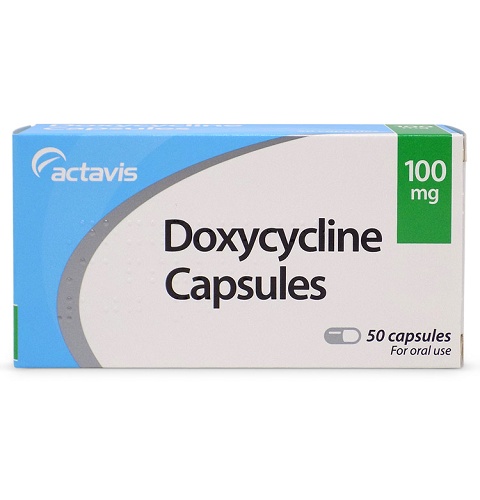
Can Doxycycline Be Obtained Without a Prescription in the United States?
Doxycycline is classified as a prescription-only antibiotic in the United States. It cannot be legally obtained from pharmacies or online retailers without a valid prescription from a licensed medical provider. Over-the-counter sale or purchase of Doxycycline is not permitted under current FDA regulations.
Key Takeaways: What Patients Should Know about Doxycycline in the United States
- Doxycycline requires a doctor’s prescription in the United States, whether purchased in person or through an online pharmacy.
- This antibiotic is most suitable for treating bacterial infections such as respiratory tract infections, Lyme disease, acne, and certain sexually transmitted infections.
- Results may be noticeable within a few days, but full treatment must be completed to prevent resistance and relapse.
- Photosensitivity (sensitivity to sunlight) is a key safety consideration—patients should avoid direct sun exposure during therapy.
- Serious side effects are uncommon, but medical advice should be sought if you experience allergic reactions, severe headache, or vision changes.
- Generic versions are widely available and typically effective, offering cost savings compared to branded products.
How Does Doxycycline Work? Detailed Mechanism of Action
Doxycycline is a member of the tetracycline class of antibiotics. Its primary mechanism is inhibition of bacterial protein synthesis. Doxycycline binds reversibly to the 30S ribosomal subunit within bacteria, thereby blocking the attachment of aminoacyl-tRNA to the mRNA-ribosome complex. This action prevents the addition of new amino acids to the growing peptide chain, effectively halting bacterial growth and reproduction.
In clinical terms, Doxycycline is considered bacteriostatic—it stops bacteria from multiplying but does not directly kill them. The immune system then clears the infection. Doxycycline’s activity extends to a broad range of gram-positive and gram-negative bacteria, some atypical pathogens (such as Chlamydia, Mycoplasma, and Rickettsia), and certain parasites.
Through its molecular action, Doxycycline also exhibits anti-inflammatory effects, which can be beneficial in conditions like acne and rosacea. Unlike some antibiotics, it does not require activation in the body or by external factors—it functions as soon as it reaches therapeutic concentrations in the blood and tissues.
Simplified Metaphor: Imagine bacterial ribosomes as the assembly line in a factory. Doxycycline jams a key piece of machinery, bringing protein assembly to a halt—without new proteins, bacteria cannot grow or function.
What Patients Often Get Wrong about Doxycycline’s Effects
Expert Commentary by Dr. M. Anderson, Infectious Disease Specialist:
One misconception I encounter is the expectation of immediate symptom relief. Many patients believe that within a day of starting Doxycycline, symptoms should vanish. In reality, the body needs time to clear the infection, even after bacterial growth slows. Another frequent issue is equating lack of side effects with ineffectiveness, which is not the case. Patients may also overlook the importance of completing the entire course—stopping early, even when feeling better, greatly increases the risk of recurrence and antibiotic resistance. Very few patients ask about photosensitivity, yet it’s a common issue. Finally, it’s rare for patients to inquire about drug interactions or how timing with food can affect absorption, but these details can influence outcomes significantly.
How Should Doxycycline Be Taken? Dosing, Duration, and Key Instructions
The typical adult dosage of Doxycycline varies based on the infection:
- Standard dose: 100 mg twice daily on day one, followed by 100 mg once daily for most infections.
- Acne/rosacea: Often 40 mg once daily or 50–100 mg once or twice daily, depending on severity.
- Lyme disease: Usually 100 mg twice daily for 10–21 days.
- Maximum daily dose: Should not exceed 200 mg in most cases.
Tablets should be swallowed whole with a full glass of water while sitting or standing to reduce the risk of esophageal irritation or ulcers. Some formulations can be split, but do so only if advised by your pharmacist or doctor. Extended-release tablets must not be split or chewed.
Peak concentrations are typically reached within 2–3 hours of ingestion, and the effect persists as long as adequate blood levels are maintained. Course duration depends on the infection; always complete the full course even if symptoms resolve early.
Special populations: No routine dose adjustment is necessary for mild-to-moderate renal or hepatic impairment, but use with caution in severe dysfunction. Elderly patients generally tolerate Doxycycline well, but careful monitoring is advised.
Does Food, Drink, or Lifestyle Affect Doxycycline’s Effectiveness?
Taking Doxycycline with food: Food may slightly delay absorption but often improves gastrointestinal tolerance. However, dairy products (milk, cheese, yogurt) can significantly decrease absorption because calcium binds to the drug and hinders its entry into the bloodstream. Ideally, take Doxycycline either one hour before or two hours after meals, and avoid consuming dairy within two hours of dosing.
Alcohol: Moderate alcohol consumption is not strictly contraindicated, but heavy or chronic consumption may reduce efficacy and increase the risk of liver side effects.
Grapefruit juice: No specific interaction with Doxycycline has been documented, but it is generally advised to avoid grapefruit juice with many medications due to unpredictable effects on drug metabolism.
Other lifestyle factors: Doxycycline increases photosensitivity, so avoid tanning beds and minimize sun exposure. Use sunscreen and protective clothing when outdoors.
Compatibility Check: Doxycycline with Food, Medicines, and Lifestyle Factors
| Product/Factor | Can It Be Combined? | Consequences |
|---|---|---|
| Dairy (milk, cheese, yogurt) | No | Reduces absorption, lowers effectiveness |
| Alcohol (moderate) | Yes (with caution) | Possible increased liver strain; heavy use discouraged |
| Grapefruit juice | Generally avoid | No proven interaction, but not recommended |
| Iron, calcium, magnesium, antacids | No (take 2 hours apart) | Reduces absorption, lowers effectiveness |
| Sun exposure | Minimize | High risk of sunburn/photosensitivity |
When Is Doxycycline Unsafe? Absolute and Relative Contraindications
Absolute Contraindications:
- Known hypersensitivity or allergy to Doxycycline or other tetracycline antibiotics.
- Pregnancy (especially after the first trimester): Risk of permanent tooth discoloration and bone growth inhibition in the fetus.
- Children under 8 years old: Can cause permanent tooth discoloration and enamel hypoplasia, except in life-threatening infections where no alternatives exist.
Relative Contraindications (Use With Caution):
- Severe liver impairment: Doxycycline is eliminated partly by the liver; accumulation can occur in hepatic dysfunction.
- Myasthenia gravis or systemic lupus erythematosus: May worsen these autoimmune conditions.
- History of esophageal disease or swallowing disorders: Increased risk of esophageal irritation or ulceration.
Doxycycline is generally safe in mild-to-moderate renal dysfunction as it is mainly excreted via the gastrointestinal tract, but monitor closely in severe impairment.
Drug interactions to avoid: Do not use Doxycycline with oral retinoids (e.g., isotretinoin) due to increased risk of intracranial hypertension.
What Side Effects Are Most Common with Doxycycline?
Very Common (>1/10):
- Gastrointestinal upset (nausea, abdominal pain, diarrhea)
- Photosensitivity (skin reaction to sunlight)
Common (1/100 to 1/10):
- Vomiting
- Loss of appetite
- Headache
- Rash or mild skin reactions
- Yeast (fungal) superinfections such as oral thrush or vaginal candidiasis
Rare (1/10,000 to 1/1,000):
- Esophageal ulcers (especially if taken while lying down)
- Hepatotoxicity (liver injury)
- Elevated intracranial pressure (manifesting as severe headache, visual changes)
- Severe allergic reactions (anaphylaxis, angioedema)
Very Rare (<1/10,000):
- Severe skin reactions (Stevens-Johnson syndrome)
- Blood cell abnormalities (anemia, leukopenia)
Mechanisms: Gastrointestinal side effects result from local irritation and disruption of normal gut bacteria. Photosensitivity occurs because Doxycycline makes skin more reactive to ultraviolet light. Severe reactions are rare but require immediate medical attention.
If you notice severe headache, vision changes, severe skin rash, or allergic symptoms (throat swelling, difficulty breathing), stop Doxycycline and seek emergency medical help immediately.
Common Patient Mistakes That Compromise Doxycycline Treatment
- Not completing the full course: Stopping Doxycycline as soon as symptoms improve can lead to incomplete eradication of bacteria and antibiotic resistance. Always finish the prescribed duration.
- Lying down immediately after taking a tablet: This increases the risk of esophageal irritation and ulcers. Remain upright for at least 30 minutes after dosing.
- Taking Doxycycline with dairy products or antacids: Calcium, magnesium, and iron bind the drug and prevent absorption. Separate by at least two hours.
- Ignoring sun protection: Underestimating the risk of photosensitivity can result in severe sunburn. Use sunscreen, wear protective clothing, and avoid tanning beds.
- Missing doses or erratic schedule: Skipped or late doses can decrease treatment effectiveness and promote resistance. Set reminders to take the medication at the same time each day.
How Does Doxycycline Compare with Other Antibiotics? (Alternatives, Price, Onset, Side Effects)
| Antibiotic | Typical Indications | Onset of Action | Duration | Common Side Effects | Estimated Price per Tablet (USD) |
|---|---|---|---|---|---|
| Doxycycline | Respiratory, skin, Lyme, STI, acne | 24–48 hours | 12–24 hours (dosed once or twice daily) | GI upset, photosensitivity | $0.40–$2 (generic) |
| Azithromycin | Respiratory, STI, skin | 24 hours | Long half-life (once daily, short courses) | GI upset, QT prolongation | $1–$8 (generic) |
| Amoxicillin | Respiratory, ENT, urinary | 24 hours | Short half-life (dosed 2–3 times daily) | Rash, GI upset | $0.10–$0.60 (generic) |
| Minocycline | Acne, skin | 24–48 hours | 12–24 hours | Vestibular effects, pigmentation | $0.60–$2 (generic) |
Bottom line: Doxycycline is cost-effective and versatile, with a slightly slower onset than some alternatives. It is broadly used for tick-borne diseases, acne, and atypical infections. Photosensitivity is more frequent with Doxycycline, while other antibiotics have their own unique risks.
Technical Summary Table: Doxycycline Core Characteristics
| Active Ingredient | Doxycycline (hyclate or monohydrate) |
| Available Strengths | 20 mg, 40 mg, 50 mg, 75 mg, 100 mg, 150 mg |
| Formulations | Tablets, capsules, oral suspension, intravenous |
| Administration | Oral (most common), IV (hospital) |
| Usual Adult Dose | 100 mg once or twice daily |
| Storage | Room temperature, dry place, original container |
| Shelf Life | 24–36 months (varies by manufacturer) |
Step-by-Step Guide: How to Obtain Doxycycline Safely in the United States
- Consult a Health Care Provider: Schedule an in-person or telemedicine appointment with a licensed physician, PA, or nurse practitioner in your state.
- Medical Assessment: Discuss your symptoms, medical history, allergies, and medications. The provider will determine if Doxycycline is appropriate for your condition.
- Receive a Prescription: If indicated, the provider will issue an electronic or paper prescription for Doxycycline, specifying dose, formulation, and duration.
- Choose a Licensed Pharmacy: Present your prescription at a brick-and-mortar or legitimate online pharmacy that is licensed and accredited in your state.
- Fill Your Prescription: The pharmacy will verify your prescription, dispense the medication, and provide counseling on administration, side effects, and precautions.
- Follow Up: Monitor your symptoms and report any side effects or lack of improvement to your health care provider for possible adjustment or alternative therapy.
Common Clinical Questions That Patients Ask Their Doctors about Doxycycline
- How long should I expect to take Doxycycline before my symptoms improve?
Most patients notice improvement within 48–72 hours, but the exact timing depends on the type and severity of the infection. Complete the entire course even if you feel better early. - Is it safe to take Doxycycline with my other medications?
Your doctor will review all your current medications to check for significant interactions. Be sure to mention supplements, antacids, and herbal products, which can reduce absorption. - What should I do if I forget a dose?
Take the missed dose as soon as you remember, unless it’s almost time for your next dose. Do not double up. Consistency is important for optimal results. - How will my doctor monitor my progress?
Follow-up depends on the infection. For most conditions, improvement in symptoms is the main indicator. For chronic use (e.g., acne), periodic check-ins and lab work may be advised. - Can Doxycycline affect my ability to drive or operate machinery?
Doxycycline does not typically impair alertness, but rare side effects like dizziness or headache can occur. Use caution if you experience these symptoms. - Are there special considerations for women who are pregnant or breastfeeding?
Doxycycline should not be taken during pregnancy or while breastfeeding due to potential harm to the fetus or infant. - Is it necessary to avoid the sun entirely?
Complete avoidance is not required, but take precautions (sunscreen, protective clothing) as Doxycycline increases sensitivity to sunlight.
What Should You Do If You Take Too Much Doxycycline?
- Stop taking Doxycycline immediately.
- Call 911 or your local poison control center (1-800-222-1222).
- Inform healthcare professionals of the amount and timing of the overdose.
- Do not attempt to induce vomiting unless instructed.
- Bring the medication packaging with you for identification if going to the ER.
Symptoms of overdose may include severe nausea, vomiting, diarrhea, dizziness, or confusion. Prompt medical care is essential.
How Is Doxycycline Processed in the Body? (Pharmacokinetics Explained Simply)
Absorption: Doxycycline is well absorbed from the gastrointestinal tract, with bioavailability of roughly 90–100% after oral administration.
Distribution: It is widely distributed in body tissues, including the lungs, skin, and reproductive organs. It crosses the placenta and is found in breast milk.
Metabolism: Doxycycline is only minimally metabolized in the liver. Most of the drug remains unchanged.
Elimination: Excreted primarily via feces (bile and intestinal secretion) and, to a lesser extent, urine. It is suitable for patients with mild kidney dysfunction.
Half-life (T½): Approximately 18–22 hours, allowing for once or twice daily dosing.
Are There Specific Considerations for Certain Patient Groups?
- Pediatrics: Not recommended for children under 8 except in rare, life-threatening infections.
- Pregnancy and Breastfeeding: Contraindicated due to risks of fetal bone and tooth abnormalities and potential harm to infants.
- Older Adults: No routine dose adjustment, but monitor for GI side effects and liver function.
- Chronic Conditions: Safe in mild-to-moderate renal impairment, but use caution with severe hepatic dysfunction, myasthenia gravis, or lupus.
- Driving and Machinery: No direct effects, but dizziness or headache may occur in rare cases.
- Fertility: No evidence of direct impairment, but long-term use is avoided unless clearly indicated.
Myth vs Reality: What Can Doxycycline Really Do?
- Myth: Doxycycline works instantly and “cures” all types of infections.
Reality: Doxycycline slows bacterial growth; symptoms may take 2–3 days to improve, and it only treats infections caused by susceptible bacteria. - Myth: Side effects mean the drug isn’t working.
Reality: Absence or presence of side effects does not indicate effectiveness; follow your prescribed course. - Myth: Generic Doxycycline is less effective.
Reality: FDA-approved generics are clinically equivalent to branded products.
How to Choose a Safe Online Pharmacy in the United States
To protect yourself from counterfeit or substandard antibiotics, only use online pharmacies accredited by the National Association of Boards of Pharmacy (NABP) and carrying the “VIPPS” or “.pharmacy” seal.
- Verify the pharmacy’s license with your state’s Board of Pharmacy.
- Ensure the pharmacy requires a valid provider prescription and provides pharmacist counseling.
- Beware of sites offering Doxycycline without a prescription, with prices far below market value, or lacking U.S. contact information—these are strong indicators of illegal or counterfeit operations.
- Check for secure payment systems, privacy policies, and clear return procedures.
Consult nabp.pharmacy to verify a pharmacy’s status.
How Can I Identify Counterfeit or Substandard Doxycycline?
Genuine Doxycycline in the United States comes in FDA-approved packaging, with clear markings, batch numbers, expiration dates, and tamper-evident seals. Original tablets or capsules are usually yellow or light-colored, marked with the dosage strength, and supplied in blisters or bottles labeled with the manufacturer’s information.
- Always check for lot numbers and expiration dates printed clearly (not stickers that are easily removed).
- Some manufacturers include QR codes or holograms; these should scan to the official website or verification page.
- Beware of packaging with spelling errors, inconsistent fonts, or missing regulatory information.
- Very low prices or sources offering Doxycycline without a prescription are a red flag for counterfeit products.
Generics: Approved generics must demonstrate bioequivalence to the original brand. They may have different shapes, colors, or inactive ingredients (excipients), which can rarely cause allergic reactions. Generics are less expensive but equally effective when sourced from FDA-approved pharmacies.
Quality Check: What Does Authentic Doxycycline Look Like?
- Color: Light yellow (tablets or capsules).
- Markings: Imprinted with strength (e.g., “DAN 5630” for 100 mg tablets).
- Packaging: Blister pack or bottle with manufacturer name, lot number, expiration date.
- Security Features: Tamper-evident seals, QR code, or hologram (varies by manufacturer).
- Documentation: FDA-required labeling with prescribing information.
Empathy: Doxycycline, Infections, and Psychological Support
Dealing with infections—especially those that recur or carry stigma, such as acne or sexually transmitted diseases—can be stressful. You are not alone; these conditions are common and manageable. If you feel anxious or overwhelmed, consider discussing your concerns with your health care provider or a mental health professional. Support from friends or family can also make a significant difference in recovery.
Clinical Assessment by doctor: When Doxycycline Is the Right Choice—and When It Is Not
In my clinical practice, Doxycycline remains a cornerstone for treating a variety of bacterial infections, especially those where atypical organisms or resistance to other antibiotics is a concern. I most often prescribe it for respiratory tract infections, tick-borne illnesses like Lyme disease, certain sexually transmitted infections, and chronic conditions like acne and rosacea. Patients most likely to benefit are otherwise healthy adults without pregnancy or advanced liver disease, who can adhere to sun precautions and the full course of therapy. For individuals with known allergies to tetracyclines, children under 8, or pregnant women, I seek alternatives. Doxycycline is less appropriate when there is a high likelihood of resistance, severe hepatic impairment, or a need for rapid bactericidal action. I carefully weigh the risk of photosensitivity and gastrointestinal effects against the benefits for each patient. If a patient fails to respond within the expected timeframe, or develops intolerable side effects, I reassess, considering culture results and possible alternative therapies. The decision to continue or switch antibiotics is individualized, always prioritizing patient safety and treatment efficacy.
Frequently Asked Questions about Doxycycline in the United States
Is Doxycycline effective against COVID-19?
As of 2026, Doxycycline is not recommended for prevention or treatment of COVID-19. No robust clinical evidence supports its use for viral infections like COVID-19. It remains effective for bacterial infections only.
Can I get Doxycycline over the counter in the United States?
No. Doxycycline is a prescription medication regulated by the FDA. Purchasing it without a valid prescription is illegal and unsafe.
What should I do if I miss a dose?
Take the missed dose as soon as you remember. If it’s nearly time for your next scheduled dose, skip the missed dose and resume your regular schedule. Do not double the next dose.
How much does Doxycycline cost in the United States?
Generic Doxycycline ranges from $0.40 to $2 per tablet, depending on pharmacy, dosage, and insurance coverage. Branded versions are more expensive. Many insurance plans cover generic Doxycycline for approved indications.
How long do I need to take Doxycycline?
Treatment duration varies based on the infection—anywhere from 7 days (e.g., for respiratory infections) to 3–4 weeks or longer (e.g., for Lyme disease or acne). Complete the entire prescribed course.
Can Doxycycline be delivered to my home?
Yes, many licensed U.S. pharmacies and telehealth services offer home delivery of prescription medications. Ensure the pharmacy is licensed and compliant with federal and state laws.
Can I take Doxycycline with birth control pills?
Doxycycline is unlikely to decrease the effectiveness of most estrogen-containing contraceptives, but severe diarrhea or vomiting may impair absorption. Use additional contraception if you experience these side effects.
Are there any foods I must avoid?
Avoid dairy products, antacids, and supplements containing calcium, magnesium, iron, or zinc within two hours of taking Doxycycline to maintain absorption and effectiveness.
What should I do if my infection doesn’t improve?
Contact your healthcare provider if symptoms persist after several days or worsen. Do not stop or change your medication without medical advice.
References
- U.S. Food and Drug Administration. Doxycycline – Drug Information. Accessed 2026. https://www.fda.gov/drugs
- Centers for Disease Control and Prevention. Doxycycline – Clinical Guidance. Accessed 2026. https://www.cdc.gov
- Mayo Clinic. Doxycycline (Oral Route) – Patient Information. Accessed 2026. https://www.mayoclinic.org
- National Library of Medicine. Doxycycline – MedlinePlus. Accessed 2026. https://medlineplus.gov/druginfo/meds/a682063.html
- National Association of Boards of Pharmacy (NABP). Safe Pharmacy Practices. Accessed 2026. https://nabp.pharmacy/
- PubMed. Doxycycline Pharmacology and Clinical Use. Accessed 2026. https://pubmed.ncbi.nlm.nih.gov
- Official manufacturer prescribing information (2026). Doxycycline. [Access via FDA Drug Database]