- Home/
- Buy Lasix Without Prescription in the United States Online
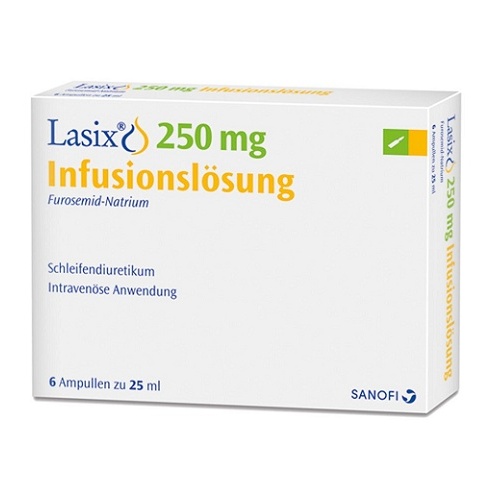
Can Lasix Be Obtained Without a Prescription in the United States?
Lasix (furosemide) is a prescription-only medication in the United States. It cannot be legally purchased or dispensed without a valid prescription from a licensed healthcare provider. Over-the-counter or online acquisition without a prescription is prohibited and may be unsafe.
Key Takeaways: What You Should Know About Lasix in the United States
- Lasix is primarily used to treat fluid retention (edema) caused by conditions such as heart failure, liver disease, and kidney disease.
- A prescription from a licensed U.S. healthcare provider is required to obtain Lasix legally.
- Lasix acts quickly—relief from swelling is often noticeable within hours of a dose.
- Electrolyte imbalances and dehydration are the most important safety concerns—regular monitoring is essential.
- If you develop symptoms like severe muscle cramps, confusion, or irregular heartbeat, seek medical attention immediately.
- Lasix does not cure the underlying cause of fluid retention; it manages the symptoms.
How Does Lasix (Furosemide) Work in the Body?
Lasix is classified as a potent loop diuretic. Its active ingredient, furosemide, acts primarily by inhibiting the Na-K-2Cl cotransporter in the thick ascending limb of the loop of Henle in the kidney. This transporter normally reabsorbs sodium, potassium, and chloride ions from the urine back into the bloodstream. By blocking this process, Lasix significantly increases the excretion of sodium and chloride, causing a powerful diuretic effect.
This increased urinary output leads to a rapid reduction in extracellular fluid volume, which helps relieve edema (fluid retention) and reduce blood pressure. Importantly, the potassium loss can be substantial, so monitoring is crucial. The effect does not depend on any external triggers; Lasix works as long as the kidneys are able to deliver the drug to the tubular site of action and there is sufficient glomerular filtration.
Simplified metaphor: Imagine Lasix as a valve that opens wider in a dam, letting excess water rush out quickly—removing both water and dissolved salts from the reservoir.
References: FDA, PubMed, Mayo Clinic
Why Patients Often Misinterpret Lasix’s Effectiveness: A Physician’s Perspective
As a physician, I frequently see patients expect Lasix to provide permanent relief from swelling or think it will address the root cause of their condition. Many are surprised by how quickly Lasix works, but they may misjudge whether it’s “working” based on urine volume alone or temporary weight loss. In reality, the medication’s effect can be blunted by factors like dietary sodium intake or underlying kidney impairment, which aren’t always obvious to patients. Another common misconception is that more frequent urination always means better results—when sometimes, it could indicate excessive fluid or electrolyte loss. Patients rarely ask about long-term monitoring or how to recognize subtle signs of dehydration or electrolyte imbalance, which are crucial for safe therapy. It’s important for patients to understand that while Lasix provides rapid symptomatic relief, ongoing assessment and adjustment are key, and the true measure of success is symptom improvement without harm.
How to Take Lasix: Dosage, Timing, and Duration of Effect
Lasix dosing is individualized and must be determined by a healthcare provider. The typical adult starting dose for edema is 20–40 mg orally once daily. If the desired response is not achieved, the dose may be increased by 20–40 mg increments every 6–8 hours. The maximum recommended daily dose is 600 mg, but such high doses are rare and require close supervision.
For hypertension, lower doses are usually sufficient, often starting at 40 mg twice daily. Elderly patients or those with kidney or liver impairment may require lower starting doses and slower titration.
- Onset of action: Oral Lasix typically works within 30–60 minutes.
- Peak effect: 1–2 hours after oral administration.
- Duration: 6–8 hours for a single dose.
- Splitting tablets: Most Lasix tablets can be split; however, only do so if the tablet is scored and your doctor or pharmacist confirms it is safe.
Always take Lasix in the morning to avoid nocturnal urination. Never increase your dose or frequency without medical advice. Monitor your weight daily and report sudden changes to your provider.
Reference: DailyMed (NIH)
Are Food, Alcohol, or Other Drugs Compatible with Lasix?
Food: Lasix absorption may be slightly reduced if taken with food, but this effect is generally not clinically significant. High-fat meals may delay the onset of action by up to one hour.
Alcohol: Alcohol and Lasix both lower blood pressure and increase urine output. Combining them increases the risk of dehydration, dizziness, and fainting. Strictly avoid high alcohol intake (more than one standard drink per day) while on Lasix.
Grapefruit juice: No significant interaction with Lasix has been documented.
Other drugs: Many medications interact with Lasix—see compatibility table below and discuss all your medicines with your doctor.
Compatibility Check: Lasix with Other Products
| Type of Product | Can it be combined? | Consequences |
|---|---|---|
| Potassium supplements | Yes, often required | Reduces risk of hypokalemia |
| ACE inhibitors | With caution | Monitor for low blood pressure, kidney function |
| NSAIDs (e.g., ibuprofen) | Avoid if possible | May reduce diuretic effect, worsen kidney function |
| Lithium | STRICTLY NO | Risk of lithium toxicity |
| Antibiotics (aminoglycosides) | With caution | Increased risk of kidney and ear toxicity |
| Calcium supplements | With monitoring | May affect calcium levels |
Who Should Not Take Lasix? Detailed Contraindications
- Absolute Contraindications
-
- Severe electrolyte depletion (low potassium, sodium, or calcium that cannot be corrected)
- Anuria (complete inability to make urine)
- Hypersensitivity to furosemide or sulfa drugs
- Hepatic coma (liver-induced loss of consciousness)
- Relative Contraindications / Use with Caution
-
- Chronic kidney disease—dose adjustment and monitoring required
- Uncontrolled diabetes—risk of worsening blood sugar control
- Gout—Lasix can increase blood uric acid levels
- Pregnancy—should be used only if clearly needed and prescribed by a doctor
- History of severe dehydration or low blood pressure
- Recent heart attack (myocardial infarction)—avoid within 2 weeks unless supervised
If you are taking other blood pressure medicines, always inform your provider, as Lasix may interact with drugs such as ACE inhibitors, angiotensin receptor blockers, and certain antiarrhythmics.
What Side Effects Are Most Common with Lasix?
Lasix is generally well tolerated when used correctly, but as a powerful diuretic, it carries several risks, particularly related to changes in body fluid and electrolyte balance.
- Very common (>1 in 10): Increased urination, low potassium (hypokalemia), low sodium (hyponatremia), dehydration
- Common (1 in 100–1 in 10): Dizziness, headache, muscle cramps, increased blood sugar, increased uric acid (can trigger gout attacks)
- Rare (1 in 1,000–1 in 10,000): Hearing loss (at high IV doses), pancreatitis, liver dysfunction, allergic skin reactions
- Very rare (<1 in 10,000): Severe allergic reactions (anaphylaxis), blood disorders (e.g., thrombocytopenia), severe kidney injury
If you experience severe thirst, confusion, irregular heartbeat, or sudden hearing changes, stop Lasix and seek medical attention immediately.
Muscle cramps or weakness often result from potassium depletion, which can be addressed with supplements or dietary changes under medical supervision.
Reference: FDA
Common Patient Mistakes When Using Lasix: What to Avoid
- Taking Lasix late in the day: This commonly leads to nocturnal urination and disrupted sleep. Always take Lasix in the morning unless otherwise instructed.
- Failing to monitor body weight regularly: Not checking your weight daily may allow fluid buildup to go undetected. Weigh yourself at the same time each day and report rapid changes.
- Stopping Lasix abruptly after improvement: Many patients discontinue therapy when swelling subsides, risking rapid fluid return and possible complications. Discuss dose adjustments with your doctor.
- Ignoring dietary sodium intake: Continuing a high-salt diet counteracts Lasix’s effects. Limit sodium as advised by your healthcare provider.
- Overusing over-the-counter pain relievers: NSAIDs like ibuprofen can reduce Lasix’s effectiveness and harm kidney function. Always consult before combining medications.
- Skipping regular blood tests: Not having recommended labs can result in undetected electrolyte problems. Follow your scheduled blood work closely.
- Not informing all healthcare providers about Lasix use: This can lead to dangerous drug interactions if new medications are prescribed.
Lasix vs. Alternatives: How Does It Compare?
| Medication | Onset of Action | Duration | Side Effects | Cost per Tablet (USD, 2026) | Prescription Required? |
|---|---|---|---|---|---|
| Lasix (Furosemide) | 30–60 min (oral) | 6–8 hrs | Electrolyte imbalance, dehydration | $0.20–$1.00 (generic) | Yes |
| Bumex (Bumetanide) | 30–60 min (oral) | 4–6 hrs | Similar to Lasix, may be stronger per mg | $0.70–$2.00 | Yes |
| Demadex (Torsemide) | 60 min | 12–16 hrs | Less risk of low potassium | $0.60–$2.50 | Yes |
| Hydrochlorothiazide (HCTZ) | 2 hrs | 6–12 hrs | Milder diuresis, less effective for severe edema | $0.10–$0.80 | Yes |
Prices are estimates from U.S. pharmacy chains as of early 2026 and may vary by region and insurance plan.
Technical Reference Table: Lasix Quick Facts
| Active Ingredient | Furosemide |
| Available Strengths | 20 mg, 40 mg, 80 mg tablets; injectable form (IV, IM) |
| Administration Route | Oral, intravenous, intramuscular |
| Half-life (T1/2) | 1–2 hours (normal kidney function) |
| Storage | Store at room temperature (68-77°F), away from moisture |
| Manufacturer | Sanofi (original); multiple generic manufacturers |
How Is Lasix Metabolized and Eliminated? (Pharmacokinetics Explained Simply)
Lasix is only minimally metabolized (by the liver). About 80% of an oral dose is eliminated unchanged by the kidneys. The medication’s half-life is typically 1–2 hours in healthy adults but may be prolonged in those with kidney or liver impairment.
- Excretion: Primarily through urine—effectiveness depends on kidney function.
- Implications for chronic conditions: In severe kidney failure, Lasix may become less effective or require higher doses.
People with liver disease should use Lasix with caution due to altered metabolism and increased risk of side effects.
Special Patient Groups: Important Adjustments and Risks
- Elderly: Higher risk of dehydration and falls. Lower initial doses are usually recommended.
- Chronic kidney disease: May require higher doses; frequent monitoring is essential.
- Liver disease: Use with extreme caution; can precipitate hepatic encephalopathy.
- Diabetes: May worsen blood sugar control; close monitoring needed.
- Pregnancy/Lactation: Not recommended unless benefits outweigh risks; discuss with a specialist.
- Driving/Operating Machinery: Dizziness or weakness may impair ability to drive—exercise caution until you know your response.
- Fertility: No evidence of significant effects on fertility at standard doses, but discuss concerns with your provider.
Original Lasix vs. Generics: Is There a Difference?
Lasix is the original brand of furosemide, first developed by Sanofi. After patent expiration, many generic furosemide brands have become available in the United States. Generics must meet the same FDA standards for active ingredient, strength, purity, and effectiveness as the original.
- Inactive ingredients (excipients) may differ slightly—these rarely cause reactions, but check with your pharmacist if you have known allergies.
- Generics are usually much less expensive ($0.20–$0.50 per tablet vs. up to $5 for some brands).
- Therapeutic effect is considered equivalent for most patients.
If you experience any unusual reactions when switching brands, inform your provider.
How to Recognize Genuine Lasix: What to Look For
- Tablets: Lasix tablets are usually white, round or oval, with scored lines and “Lasix” or “Furosemide” markings.
- Packaging: U.S. products are supplied in sealed blister packs or prescription bottles, with manufacturer details and a lot number.
- Security features: Many packages include barcodes, QR codes, and tamper-evident seals. Check for clear, professional printing and FDA-required labeling.
- Generics: May have different appearances but must state the manufacturer and “furosemide” clearly.
- Warning: Unusually low prices, foreign-language packaging, or missing U.S. pharmacy labeling are red flags for counterfeits or “grey market” products.
How to Avoid Counterfeits and Buy Safely: U.S. Pharmacy Safety Guide
- Buy only from licensed pharmacies—online or in-person—that are registered with the National Association of Boards of Pharmacy (NABP).
- Look for the VIPPS (Verified Internet Pharmacy Practice Sites) seal and check the pharmacy against the NABP .pharmacy database.
- Avoid websites offering Lasix without a prescription or with “no questions asked.”
- Be wary of sites with no physical address, phone contact, or pharmacist access.
- If in doubt, consult BeSafeRx (FDA) for tips on identifying safe online pharmacies.
What Should I Do If I Suspect an Overdose?
- Stop taking Lasix immediately.
- Call 911 or seek emergency medical attention.
- Inform the medical team exactly how much was taken and when.
- Bring the medication packaging if available.
- Be prepared for monitoring and possible intravenous fluids or electrolyte correction.
Symptoms of overdose may include extreme thirst, confusion, rapid heart rate, fainting, muscle cramps, or severe weakness. Prompt action can save your life.
Step-by-Step: How to Get Lasix Legally in the United States
- Step 1: Schedule a medical appointment with your primary care provider or a specialist (such as a cardiologist or nephrologist).
- Step 2: Undergo medical evaluation—including a physical exam and appropriate lab tests to confirm the need for Lasix.
- Step 3: Receive a prescription—your provider will determine the right dose, formulation, and monitoring plan.
- Step 4: Fill your prescription at a licensed U.S. pharmacy (in person or via a legitimate telehealth service).
- Step 5: Follow up regularly—repeat lab work and medical visits are necessary to monitor your response and adjust therapy.
Some insurance plans may require prior authorization or prefer generics. Telemedicine is widely accepted for chronic conditions but always verify the provider’s credentials.
Managing Edema: You Are Not Alone
Edema and its underlying causes are common and treatable. If swelling or medication side effects are affecting your quality of life, many people face the same challenges. Don’t hesitate to discuss your concerns with your doctor or with those close to you—support is available, and you are not alone in this journey.
Questions Patients Commonly Ask Their Doctor About Lasix
- How soon should I expect my swelling to go down after starting Lasix?
- For most patients, noticeable reduction in swelling or weight can occur within hours of the first dose. However, full effect may take a few days, especially with chronic fluid overload. It’s important to be patient and allow your body to adjust, while keeping your doctor informed of your symptoms.
- Do I need to restrict my fluid intake while on Lasix?
- This depends on the underlying condition. For some heart and kidney issues, fluid restriction may be needed; for others, it’s not. Always follow the personalised advice from your healthcare team and never restrict fluids without clear instructions.
- How often will I need blood tests while using Lasix?
- Blood tests for electrolytes, kidney function, and sometimes blood sugar are usually required before starting, again within the first 1–2 weeks, and then periodically as advised by your provider. The frequency may increase if there are dose changes or symptoms develop.
- Will I have to take Lasix forever?
- Not necessarily. Some patients need long-term therapy for chronic conditions, while others may need it only temporarily. The duration depends on your diagnosis and how well you respond to other treatments.
- If I miss a dose, should I double the next one?
- No. If you miss a dose, take it as soon as you remember unless it’s close to your next scheduled dose. Never double up on Lasix—this can increase your risk of side effects. If you’re unsure, contact your provider for advice.
- Are there symptoms I should watch for that mean I need to contact my doctor right away?
- Yes. Severe muscle cramps, confusion, irregular heartbeat, fainting, or hearing changes warrant immediate medical attention. Also, sudden weight gain or severe swelling should prompt you to contact your doctor promptly.
- Can I travel while taking Lasix?
- Yes, but plan ahead. Carry your medication, monitor your weight, and ensure access to restrooms. Discuss any adjustments with your doctor, especially if you will cross time zones or have new diet challenges.
Myth vs Reality: Common Misconceptions About Lasix
- Myth: Lasix cures edema permanently.
Reality: Lasix treats the symptom (fluid retention), not the underlying cause. Ongoing management of the primary disease is necessary for lasting improvement. - Myth: More urine equals better health.
Reality: Excessive urination can lead to dangerous dehydration and electrolyte loss. The goal is the right balance, not the most output. - Myth: Lasix is always safe to use with herbal supplements.
Reality: Some supplements (like licorice root) can worsen side effects or interact with Lasix. Always consult your provider about supplements.
References
- FDA. Drug Approval Package: Lasix (Furosemide). Accessed 2026. https://www.fda.gov
- Mayo Clinic. Furosemide (Oral Route) Description and Brand Names. Accessed 2026. https://www.mayoclinic.org
- PubMed. Recent Studies on Furosemide Efficacy. Accessed 2026. https://pubmed.ncbi.nlm.nih.gov/
- NIH DailyMed. Lasix (Furosemide) Label. Accessed 2026. https://dailymed.nlm.nih.gov/dailymed/
- National Association of Boards of Pharmacy (NABP). Find Verified Pharmacies. Accessed 2026. https://nabp.pharmacy/
- FDA BeSafeRx. Online Pharmacy Safety. Accessed 2026. https://www.fda.gov/drugs/besaferx-your-source-online-pharmacy-information
Clinical Assessment by doctor: When Lasix Is the Right Choice—and When It’s Not
In my clinical practice, Lasix is most beneficial for patients with significant fluid retention due to heart failure, chronic kidney disease (with some preserved function), or advanced liver disease with edema. These patients often experience rapid symptomatic relief that improves quality of life and can prevent more serious complications. However, Lasix is less effective in cases of end-stage renal disease with minimal urine output, or where sodium intake remains high despite therapy. Patients prone to dehydration, electrolyte disturbances, or those with a history of gout require extra caution or alternative therapies. I often reassess the ongoing need for Lasix in stable patients, aiming to use the lowest effective dose and incorporate non-pharmacologic measures like salt restriction. In patients who do not tolerate even modest fluid shifts, I may choose thiazide diuretics or consider non-drug interventions first. The decision always balances the urgency of symptom relief against the risk of over-diuresis and metabolic complications; close monitoring and clear communication with patients are essential for success.
FAQ: Lasix in the United States—Your Questions Answered
- Is Lasix effective for all types of swelling?
- No. Lasix is effective for swelling caused by heart, liver, or kidney problems but is not helpful for swelling due to infection, injury, or lymphatic causes. Always consult your doctor to determine if Lasix is appropriate for your edema.
- What happens if I take Lasix without a prescription?
- Taking Lasix without medical supervision can result in dangerous dehydration, electrolyte imbalance, or kidney failure. Legal consequences may also apply—prescription-only status helps protect your health.
- What is the typical cost of Lasix in the United States?
- As of 2026, generic furosemide tablets typically cost $0.20–$1.00 per dose. Brand-name Lasix may cost more. Insurance co-pays vary; check with your pharmacy or insurer for specifics.
- Can Lasix be delivered to my home?
- Yes. Most U.S. pharmacies and telehealth services offer prescription home delivery for Lasix, but a valid prescription is required. Only use licensed, verified services.
- How long do I need to take Lasix?
- Treatment duration varies—from days to lifelong—depending on the underlying cause and your response. Never stop or change your dose without consulting your doctor.
- Are there alternative medications to Lasix?
- Yes. Alternatives include bumetanide, torsemide, and thiazide diuretics like hydrochlorothiazide. Your doctor will choose based on your specific condition, response, and risk factors.
- Can I take Lasix with my other medications?
- It depends. Some medications interact with Lasix—always provide a complete medication list to your doctor and pharmacist for safety checks.
- Is it safe to use Lasix during pregnancy or breastfeeding?
- Lasix is generally not recommended during pregnancy or breastfeeding unless absolutely necessary and prescribed by your doctor, as it may affect fetal growth or milk production.
- Does Lasix cause weight loss?
- Lasix can cause rapid weight loss due to fluid removal, but it does not cause fat loss. Any weight changes should be monitored and discussed with your healthcare provider.
- What should I do if Lasix does not relieve my swelling?
- If you see no improvement after several days, contact your doctor. The underlying cause may require different treatment, or your dose may need adjustment. Do not increase your dose on your own.