In a world where change is the only constant, how do leaders cultivate resilience and foster innovation? Enter Chris Ruden, a dynamic change management expert whose keynotes provide more than just insights—they ignite transformation. With personal stories steeped in overcoming adversity, Ruden’s approach is not only motivational but also practical, equipping audiences with the tools they need to navigate challenges and achieve lasting success. Each presentation resonates with an energy that inspires action, urging individuals and organizations to embrace change rather than fear it. Through engaging narratives and actionable strategies, Ruden creates an atmosphere where transformation feels not just possible, but inevitable. Join us as we explore how his powerful keynotes are unlocking the potential within leaders and teams, paving the way for a brighter, more adaptive future. Get ready to discover the key to embracing change and turning obstacles into opportunities for growth.
Who is Chris Ruden?
Chris Ruden is not just any motivational speaker; he is a living testament to the power of resilience and determination. Born with a congenital disability that left him with only two fingers on his left hand and a shorter left arm, Ruden faced challenges from a young age that could have easily stifled his ambitions. However, rather than succumb to these obstacles, he chose to view them as opportunities for growth. His journey from a bullied child to a successful entrepreneur and elite powerlifter showcases his indomitable spirit and serves as a beacon of hope for others facing their own struggles.
Ruden’s academic background in exercise science and his certification as a diabetes educator further amplify his credibility. He has used his personal experiences with Type 1 diabetes to connect with audiences on a deeper level, proving that physical limitations and health conditions do not define one’s potential. His ability to turn personal adversities into strengths has made him a sought-after speaker in various industries, including healthcare, corporate, and educational sectors.
In addition to his speaking engagements, Chris Ruden is an author and advocate for disability rights. His book, “The Upper Hand,” delves into his life story and offers readers practical advice on overcoming obstacles. Through his multifaceted career, Ruden has become a symbol of change management, not just in theory but in practice, embodying the principles he teaches and inspiring countless individuals to pursue their goals relentlessly.
The Importance of Change Management in Today’s Business Landscape
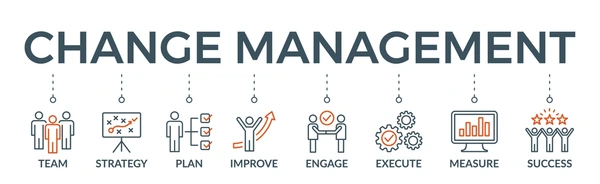
In today’s rapidly evolving business environment, the ability to manage change effectively is crucial for organizational success. Companies are constantly faced with new challenges, from technological advancements to shifting market dynamics and regulatory changes. Effective change management enables organizations to navigate these complexities, ensuring they remain competitive and relevant. It involves a structured approach to transitioning individuals, teams, and organizations from a current state to a desired future state, minimizing resistance and maximizing engagement.
One of the key reasons change management is so vital today is the pace at which change occurs. With the advent of digital transformation, businesses must continually adapt to new tools, platforms, and methodologies. This requires not only a strategic vision but also the agility to implement changes swiftly and efficiently. Organizations that excel in change management can better respond to market demands, innovate, and improve their overall performance.
Moreover, effective change management has a profound impact on employee morale and organizational culture. When change is managed well, employees feel supported and valued, leading to higher levels of engagement and productivity. Conversely, poorly managed change can result in confusion, frustration, and decreased morale. By prioritizing change management, organizations can foster a culture of continuous improvement, where change is seen as an opportunity rather than a threat.
Key Themes in Chris Ruden’s Keynotes
Chris Ruden’s keynotes are a masterclass in blending personal anecdote with actionable insight, making them both engaging and educational. One of the central themes of his presentations is resilience. Drawing from his own life experiences, Ruden emphasizes the importance of developing mental and emotional fortitude in the face of adversity. He shares strategies for building resilience, such as reframing challenges as opportunities, adopting a growth mindset, and leveraging support systems.
Another significant theme in Ruden’s keynotes is the power of perspective. He encourages audiences to shift their outlook on obstacles, viewing them not as insurmountable barriers but as catalysts for growth and innovation. By changing the narrative around challenges, individuals and organizations can unlock new possibilities and drive meaningful change. Ruden’s own journey from adversity to achievement serves as a compelling illustration of this principle.
In addition to resilience and perspective, Ruden also focuses on the importance of adaptability. In a world where change is constant, the ability to adapt quickly and effectively is a critical skill. He shares practical tools and techniques for cultivating adaptability, such as embracing continuous learning, fostering creativity, and staying open to new ideas. Through his dynamic storytelling and relatable examples, Ruden inspires audiences to become more adaptable and proactive in their approach to change.
Real-World Success Stories from Chris Ruden’s Presentations
The true impact of Chris Ruden’s keynotes can be seen in the real-world success stories of individuals and organizations that have benefited from his insights. One notable example is a healthcare organization that faced significant challenges in implementing a new electronic health record (EHR) system. The transition was met with resistance from staff, leading to delays and decreased productivity. After attending one of Ruden’s keynotes, the organization’s leadership team adopted his strategies for managing change, including effective communication, stakeholder engagement, and training. As a result, they successfully implemented the EHR system, improving efficiency and patient care.
Another success story comes from a technology company undergoing a major restructuring. The company faced high levels of employee anxiety and uncertainty, which threatened to derail the transition. Inspired by Ruden’s keynote on resilience and adaptability, the company’s leaders took a proactive approach to addressing employee concerns. They implemented regular check-ins, created support groups, and provided resources for professional development. This not only eased the transition but also fostered a culture of trust and collaboration, ultimately leading to increased innovation and growth.
On an individual level, numerous attendees of Ruden’s keynotes have reported transformative personal growth. For instance, a professional athlete struggling with a career-ending injury found new purpose and direction after hearing Ruden’s story. By applying the principles of resilience and perspective, the athlete transitioned into a successful coaching career, helping others navigate their own challenges. These real-world examples underscore the profound and lasting impact of Ruden’s message on both personal and organizational levels.
The Psychology Behind Effective Change Management
Understanding the psychology behind effective change management is essential for driving successful transformations. At its core, change management involves influencing human behavior, which requires a deep understanding of how people perceive and respond to change. One key psychological principle is the concept of cognitive dissonance, which occurs when individuals experience a conflict between their existing beliefs and new information. Effective change management strategies address this dissonance by providing clear, consistent communication and aligning new initiatives with employees’ values and goals.
Another important psychological aspect is the role of emotions in the change process. Change can evoke a wide range of emotions, from excitement and optimism to fear and resistance. Managing these emotions is critical for ensuring a smooth transition. This involves acknowledging and validating employees’ feelings, providing support and resources, and creating an environment where open dialogue is encouraged. By addressing the emotional component of change, leaders can foster a more positive and productive atmosphere.
The concept of social influence also plays a significant role in change management. People are often influenced by the behaviors and attitudes of those around them, particularly leaders and peers. Effective change management leverages this by engaging key influencers within the organization to champion the change. These individuals can help build momentum and drive buy-in among their colleagues, making the change process more cohesive and effective. By understanding and applying these psychological principles, leaders can enhance their change management efforts and achieve lasting success.
How Chris Ruden Engages and Inspires Audiences
Chris Ruden’s ability to engage and inspire audiences is rooted in his unique storytelling approach and authentic delivery. He captivates listeners with his compelling personal narrative, sharing his journey from adversity to achievement in a way that is both relatable and motivating. Ruden’s use of vivid imagery and heartfelt anecdotes allows audiences to connect with his message on an emotional level, making his keynotes both impactful and memorable.
In addition to his storytelling prowess, Ruden employs interactive techniques to keep audiences engaged. He often incorporates live demonstrations, audience participation, and real-time feedback into his presentations. This not only makes the content more dynamic but also fosters a sense of involvement and ownership among attendees. By actively engaging his audience, Ruden ensures that his key messages resonate and stick long after the keynote is over.
Ruden’s authenticity and vulnerability also play a significant role in his ability to inspire. He speaks candidly about his own struggles and triumphs, creating an atmosphere of trust and openness. This authenticity resonates with audiences, as they see him not just as a speaker but as a fellow human being who has navigated similar challenges. By sharing his true self, Ruden empowers others to embrace their own vulnerabilities and pursue their goals with confidence and determination.
Tools and Techniques for Implementing Change
One of the key takeaways from Chris Ruden’s keynotes is the array of tools and techniques he offers for implementing change. These practical strategies are designed to help individuals and organizations navigate the complexities of change with confidence and ease. One such tool is the use of change readiness assessments. By evaluating an organization’s readiness for change, leaders can identify potential barriers and develop targeted strategies to address them. This proactive approach helps ensure a smoother transition and reduces the risk of resistance.
Another effective technique is the development of a clear and compelling vision for change. Ruden emphasizes the importance of articulating a shared vision that aligns with the organization’s values and goals. This vision serves as a guiding light, providing direction and motivation for employees throughout the change process. Leaders can use storytelling and visual aids to communicate the vision, making it more tangible and inspiring for their teams.
Ruden also advocates for the use of pilot programs to test and refine new initiatives before full-scale implementation. This iterative approach allows organizations to gather feedback, make adjustments, and build confidence in the change process. By starting small and scaling gradually, leaders can mitigate risks and increase the likelihood of successful outcomes. These tools and techniques, when applied effectively, can empower organizations to embrace change and achieve lasting success.
The Impact of Change Management on Organizational Culture
The impact of change management on organizational culture cannot be overstated. A well-executed change management strategy has the power to transform not only processes and systems but also the very fabric of an organization. When change is managed effectively, it fosters a culture of adaptability, innovation, and continuous improvement. Employees become more open to new ideas and approaches, leading to increased creativity and collaboration.
One of the key ways change management influences organizational culture is through the promotion of psychological safety. When employees feel safe to express their thoughts and concerns without fear of judgment or retribution, they are more likely to engage in the change process. This open communication creates a sense of trust and transparency, which is essential for a healthy organizational culture. Leaders play a crucial role in modeling and reinforcing these behaviors, setting the tone for the entire organization.
Moreover, effective change management can enhance employee engagement and satisfaction. When employees are actively involved in the change process and see their contributions valued, they are more likely to feel a sense of ownership and pride in their work. This increased engagement leads to higher levels of motivation, productivity, and retention. By prioritizing change management, organizations can create a positive and resilient culture that thrives in the face of change.
Conclusion: Embracing Change for Lasting Success
In conclusion, Chris Ruden’s change management keynotes offer a powerful blend of inspiration and practical guidance, equipping individuals and organizations with the tools they need to navigate change successfully. His personal journey of overcoming adversity serves as a compelling testament to the power of resilience, perspective, and adaptability. By sharing his insights and strategies, Ruden empowers audiences to embrace change with confidence and turn obstacles into opportunities for growth.
The importance of effective change management in today’s business landscape cannot be overstated. It is essential for organizations to remain competitive, innovate, and foster a positive organizational culture. By understanding the psychology behind change, engaging and inspiring employees, and implementing practical tools and techniques, leaders can drive successful transformations and achieve lasting success.
Ultimately, embracing change is not just about surviving but thriving. It is about cultivating a mindset that sees change as an opportunity for growth and improvement. Chris Ruden’s keynotes illuminate this path, showing us that with the right approach and attitude, transformation is not just possible but inevitable. As we navigate the ever-evolving landscape of business and life, let us take inspiration from Ruden’s message and unlock the potential within ourselves and our organizations. The future is bright for those who dare to embrace change and pursue lasting success.