- Home/
- Buy Clomid Online in the United States – Fast and Secure Shipping
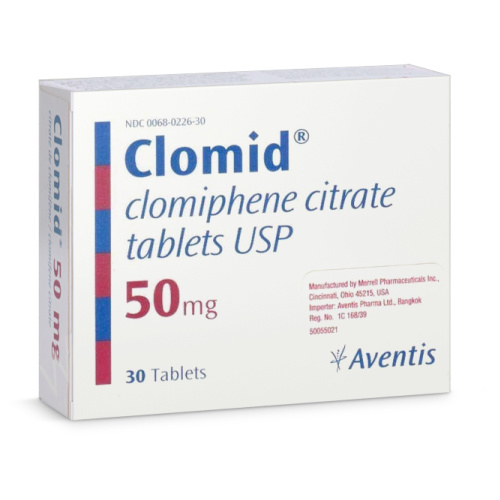
Can Clomid Be Obtained Without a Prescription in the United States?
No, Clomid (clomiphene) is a prescription-only medication in the United States. It is not legally available for purchase without a valid prescription from a licensed healthcare provider.
Key Takeaways: What You Need to Know Before Starting Clomid
- Clomid is intended primarily for women experiencing certain types of infertility linked to ovulation disorders.
- A prescription from a licensed healthcare provider is required in the United States for legal access to Clomid.
- Most women will know if Clomid is effective within the first 1–3 cycles of use.
- The most important safety consideration is the risk of ovarian hyperstimulation and multiple pregnancies.
- If you have liver disease, uncontrolled thyroid or adrenal disorders, or unexplained abnormal vaginal bleeding, you should not take Clomid.
- Seek medical advice if you experience visual disturbances, severe abdominal pain, or signs of ovarian enlargement while using Clomid.
How Does Clomid Work in the Body? Understanding Its Mechanism of Action
Clomid (clomiphene citrate) is a selective estrogen receptor modulator (SERM) that acts by binding to estrogen receptors in the hypothalamus, a part of the brain that regulates hormone production. Normally, estrogen circulating in the body gives negative feedback to the pituitary gland, signaling it to reduce the secretion of luteinizing hormone (LH) and follicle-stimulating hormone (FSH).
When clomiphene blocks these estrogen receptors, the brain perceives “low” estrogen levels, even when they are normal. In response, it triggers the pituitary to release more LH and FSH. These hormones then stimulate the ovaries to mature and release eggs (ovulation), thereby helping women with ovulation problems conceive. Clomid does not work if primary ovarian failure is present, or if ovulation failure is due to other causes not related to hormonal feedback.
Metaphor: Imagine the hypothalamus as a thermostat for your reproductive hormones. Clomid tricks this thermostat into thinking the room is too cold (not enough estrogen), so it “turns up the heat” by signaling for more FSH and LH, leading to ovulation.
For Clomid to be effective, a functional hypothalamic-pituitary-ovarian axis is required. It does not induce ovulation in women whose ovaries do not respond to hormonal signals (e.g., primary ovarian insufficiency).
Sources: FDA, PubMed, Mayo Clinic
Why Treatment Expectations with Clomid Often Differ from Reality
As a fertility specialist, I often find that patients expect Clomid to guarantee pregnancy after one or two cycles, especially if friends or online forums have shared “success stories.” The reality is that while Clomid can effectively induce ovulation in many women, actual pregnancy rates are lower than ovulation rates, because other factors (such as sperm quality, fallopian tube health, and timing) play crucial roles. A common challenge is that patients may feel discouraged if they don’t conceive immediately and may overlook subtle adverse effects, such as mood swings or visual changes. It’s also rare for patients to ask about the risk of multiple pregnancies, which is significantly higher with Clomid compared to natural conception. Patients should discuss not just how to take the medication, but also what realistic outcomes look like, and when it’s appropriate to reassess or move on to other fertility treatments if pregnancy hasn’t been achieved after several cycles.
How Should You Take Clomid? Dosing, Timing, and Duration Explained
In the United States, the typical starting dose of Clomid is 50 mg taken orally once daily for five days, usually beginning on day 3, 4, or 5 of the menstrual cycle, as directed by your fertility specialist. If ovulation does not occur, the dose may be increased in subsequent cycles, up to a maximum of 100 mg per day for five days. Doses above 100 mg daily are generally not recommended due to increased risk of side effects and diminishing returns.
- Peak effect: Ovulation typically occurs 5–10 days after the last Clomid tablet in a cycle.
- Duration of effect: One course corresponds to one ovulatory event; Clomid is not intended for continuous use.
- Maximum cycles: Most guidelines recommend discontinuing Clomid after 3–6 unsuccessful cycles to avoid increased risks.
- Tablet splitting: Clomid tablets are scored and may be split if dose adjustment is necessary and directed by your doctor.
- Special populations: There is no established adjustment for elderly patients; Clomid is rarely used after age 40 due to declining ovarian reserve. Use extreme caution in patients with liver dysfunction (Clomid is contraindicated).
Always follow your physician’s instructions and consult them before any dose adjustment.
Will What You Eat or Drink Affect Your Clomid Treatment?
Food: Clomid may be taken with or without food; food does not significantly alter its absorption, but taking it with food can help reduce stomach upset in some women.
Alcohol: There is no direct contraindication, but alcohol can worsen potential side effects such as visual changes and mood swings. It’s safest to limit or avoid alcohol while on Clomid.
Grapefruit juice: While no direct interaction with Clomid is documented, grapefruit juice can affect the metabolism of many medications via CYP3A4 inhibition. To be safe, avoid large quantities while on Clomid.
- High-fat meals do not delay or reduce Clomid’s effect in a clinically meaningful way, but heavy, fatty meals could worsen nausea or gastrointestinal side effects.
Who Should Not Use Clomid? Understanding Contraindications and Red Flags
- Absolute Contraindications (never use Clomid):
-
- Liver disease or dysfunction (risk of accumulation and toxicity).
- Unexplained abnormal uterine bleeding (requires evaluation for malignancy).
- Ovarian cysts not due to polycystic ovary syndrome (risk of further enlargement).
- Pregnancy (Clomid is not for use during pregnancy; always rule out pregnancy before starting).
- Known hypersensitivity to clomiphene citrate or ingredients in the formulation.
- Relative Contraindications (use with caution):
-
- Polycystic ovary syndrome (increased risk of ovarian hyperstimulation).
- Thyroid or adrenal dysfunction (must be corrected before starting Clomid).
- Visual disturbances (may be worsened).
- History of hormone-sensitive tumors (e.g., breast cancer; discuss risks with your oncologist).
Clomid is not recommended within three months of active liver dysfunction, and should only be used with close monitoring in patients with a history of severe depression or psychiatric conditions, as mood changes can occur.
What Side Effects Are Most Common With Clomid?
Side effects are categorized by frequency, which helps patients understand likelihood and risk. If you experience any severe or unusual symptoms, contact your healthcare provider immediately.
- Very Common (>1/10):
-
- Hot flashes (vasomotor symptoms, due to estrogen receptor modulation)
- Abdominal discomfort or bloating
- Common (1/100 to 1/10):
-
- Nausea or vomiting
- Headache
- Breast tenderness
- Mood swings or irritability
- Visual disturbances (blurred vision, spots or flashes—often reversible but can rarely persist)
- Ovarian enlargement (may present with pelvic pain)
- Rare (1/1,000 to 1/100):
-
- Ovarian hyperstimulation syndrome (OHSS)—potentially serious, characterized by rapid weight gain, severe pelvic pain, and shortness of breath.
- Multiple pregnancies (twins or more)—risk is about 7–10%.
- Rash or allergic reactions
- Hair loss (reversible)
- Very Rare (<1/1,000):
-
- Severe visual impairment (can rarely persist after stopping Clomid)
- Liver dysfunction or jaundice
- Thromboembolic events (blood clots—extremely rare)
What to do if side effects occur: For mild symptoms, consult your physician before continuing. For severe pain, rapid weight gain, breathing problems, or persistent visual changes, stop Clomid and seek emergency care.
What Mistakes Should You Avoid When Using Clomid? Real-World Pitfalls to Watch For
- Skipping cycle day timing: Starting Clomid on the wrong day of your cycle may significantly reduce its effectiveness. Always confirm start date with your provider.
- Using for more than recommended cycles: Continuing Clomid beyond 6 cycles increases risks of ovarian cysts and cancer without additional benefit. Never self-extend therapy.
- Doubling up after a missed dose: Taking extra tablets to “catch up” can amplify side effects and does not improve results. If you miss a dose, follow your provider’s instructions.
- Ignoring visual changes: Some users dismiss mild vision changes. Even transient symptoms require prompt medical review, as continued use can rarely cause lasting visual problems.
- Not monitoring ovulation: Failure to track ovulation (using kits or temperature) can lead to missed opportunities for timed intercourse or further evaluation.
- Disregarding abnormal bleeding: If you develop unexplained vaginal bleeding, do not continue Clomid until evaluated, as serious underlying conditions must be excluded.
How Does Clomid Compare to Other Fertility Medications? (Alternatives and Cost)
| Parameter | Clomid (Clomiphene) | Letrozole (Femara, off-label) | Gonadotropins (e.g., Follistim, Gonal-F) |
|---|---|---|---|
| Onset Speed | Ovulation in 5–10 days after last tablet | Ovulation in 5–10 days after last tablet | Ovulation typically within 7–14 days from first injection |
| Duration of Effect | One ovulatory cycle | One ovulatory cycle | One ovulatory cycle |
| Common Side Effects | Hot flashes, visual changes, mood swings | Fatigue, dizziness, headache | OHSS, multiple pregnancies, injection site pain |
| Chance of Multiple Pregnancy | 7–10% | 3–5% | Up to 20% |
| Cost per Cycle (USD, 2026 est.) | $15–$50 (generic); $120–$160 (brand) | $10–$40 (generic); $80–$130 (brand) | $900–$2,000+ |
| Prescription Required? | Yes | Yes | Yes |
| Formulation | Tablet (oral) | Tablet (oral) | Injection (subcutaneous or intramuscular) |
Note: Letrozole is FDA-approved for breast cancer but commonly used off-label for ovulation induction. Gonadotropins are generally reserved for women who do not respond to oral agents or require advanced reproductive technology.
Clomid Technical Characteristics: Reference Table
| Parameter | Value |
|---|---|
| Active Ingredient | Clomiphene citrate |
| Available Strengths | 50 mg tablets (most common); some generics: 25 mg, 100 mg |
| Pharmacological Group | Selective Estrogen Receptor Modulator (SERM) |
| Half-Life (T1/2) | 5–7 days (can vary) |
| Metabolism | Liver (hepatic metabolism) |
| Elimination | Biliary (via feces), minimal renal excretion |
| Storage Requirements | Store at room temperature (68–77°F/20–25°C), away from moisture/light |
| Manufacturer | Sanofi-Aventis (brand); multiple generic manufacturers |
Clomid Compatibility with Other Medications and Products
| Product Type | Can It Be Combined? | Consequences |
|---|---|---|
| Aspirin (low-dose) | Yes | No significant interaction |
| Metformin | Yes | May be used together in PCOS (per physician) |
| Alcohol | Not recommended | May worsen side effects or mood symptoms |
| Grapefruit juice | Best avoided | Potential CYP3A4 interaction (not well studied) |
| Hormonal contraceptives | No | Antagonizes treatment effect |
| St. John’s Wort | Not recommended | May alter metabolism; possible reduced effectiveness |
| Nitroglycerin | Not applicable | No documented interaction |
What Is the Step-by-Step Process to Obtain Clomid in the United States?
- Schedule a Consultation: Arrange an appointment with a qualified healthcare provider, ideally a reproductive endocrinologist, gynecologist, or fertility specialist in your city (e.g., New York, Los Angeles, Chicago).
- Comprehensive Medical Assessment: Your provider will evaluate your fertility history, perform necessary lab tests (such as hormone levels, thyroid function, and ovarian reserve assessment), and may order imaging studies.
- Diagnosis and Treatment Planning: If your ovulation disorder is suitable for Clomid, your provider will discuss the risks, benefits, and expected outcomes. Alternative treatments may be suggested if Clomid is not appropriate.
- Prescription Issuance: If indicated, your provider will write a valid prescription for Clomid, specifying the dose and number of cycles.
- Pharmacy Fulfillment: Fill your prescription at a licensed pharmacy in your state. Some telehealth platforms may offer remote consultations and mail-order pharmacy dispensing, but only with a valid prescription.
- Ongoing Monitoring: Most providers will schedule follow-up appointments to monitor response, ovulation, and any side effects. Ovulation predictor kits or ultrasound monitoring may be recommended.
How Can You Confirm That a U.S. Online Pharmacy Selling Clomid Is Legitimate?
Buying medications from unverified online sources puts you at significant risk of receiving counterfeit or substandard products. In the U.S., look for pharmacies accredited through the National Association of Boards of Pharmacy (NABP) and carrying the VIPPS (Verified Internet Pharmacy Practice Sites) seal.
- Check for a physical address and a U.S. pharmacist contact.
- Verify that a prescription is required—pharmacies willing to dispense Clomid without a prescription are not legitimate.
- Look for the NABP or LegitScript accreditation; confirm by visiting the NABP official website.
- Avoid sites offering “international” versions of Clomid or prices that are far below U.S. market rates.
The FDA’s BeSafeRx campaign offers more guidance on safe online purchasing (FDA BeSafeRx).
How to Spot Counterfeit Clomid and the Role of Generics
Original Clomid in the U.S. is typically supplied in white, round tablets, with a “CLOMID” engraving and a dosage indication. The blister packs or bottles should have the manufacturer’s name (e.g., Sanofi-Aventis), batch number, expiration date, and a scannable QR code or lot verification system (increasingly used since 2024). U.S. packaging is always in English, with FDA-compliant labeling.
Common warning signs of a counterfeit or grey-market product:
- Packaging with spelling errors, foreign language inserts, or missing manufacturer details.
- Unusual tablet color, shape, or texture (e.g., crumbly, discolored, or with an odd smell).
- Prices significantly lower than legitimate U.S. pharmacies.
- Lack of a prescription requirement.
About generics: The Clomid patent has expired, and FDA-approved generics (clomiphene citrate) are widely available in the U.S. Generics must demonstrate bioequivalence to the original. Differences may exist in inactive ingredients (excipients), which in rare cases can cause allergic reactions. Generics offer equivalent efficacy and safety at a lower cost.
Myth vs Reality: Common Misconceptions About Clomid
- Myth: “Clomid guarantees pregnancy.” Reality: While Clomid induces ovulation in up to 80% of properly selected patients, pregnancy rates are about 30–40% over several cycles due to other fertility factors.
- Myth: “You can take Clomid indefinitely.” Reality: Prolonged use increases health risks; evidence supports stopping after 3–6 cycles if unsuccessful.
- Myth: “Clomid works instantly.” Reality: It stimulates ovulation, usually 5–10 days after the last dose, not immediately after ingestion.
Pharmacokinetics of Clomid: How Is It Processed in the Body?
Absorption: Clomid is well-absorbed after oral administration, reaching peak plasma concentrations in 5–7 hours.
Metabolism: It is metabolized in the liver via demethylation and other pathways. The half-life is prolonged (about 5–7 days), and metabolites may persist even longer.
Excretion: Most of the drug and its metabolites are excreted in the feces via bile; only a small fraction is eliminated through urine.
Clinical implication: Patients with liver dysfunction are at risk for accumulation and should never use Clomid.
Source: FDA
Special Patient Groups: What Should You Know?
- Women with PCOS: Clomid can be effective but carries a higher risk of ovarian hyperstimulation and multiple pregnancies. Close monitoring is advised.
- Women over 40: Clomid is less effective due to reduced ovarian reserve and increased chromosomal risks; alternatives may be considered.
- Liver Disease: Strictly contraindicated.
- Impaired Renal Function: No dose adjustment is typically needed, but data are limited.
- Operating Vehicles/Machinery: Rare visual disturbances or dizziness may impair ability; avoid driving if such symptoms occur.
- Men: Clomid is sometimes used off-label for male infertility, but this is outside standard FDA indications and should only be done under an endocrinologist’s supervision.
Branded vs Generic Clomiphene: Is There a Difference?
Brand-name Clomid and FDA-approved generic clomiphene citrate are equivalent in terms of efficacy, safety, and bioavailability. The main differences are cost, packaging, and, occasionally, the type of inactive ingredients used. While it’s rare, some people may be sensitive to specific fillers in generics. Always discuss with your pharmacist or physician if you have known allergies to dyes or excipients.
Quality Assurance: What Does Genuine Clomid Look Like?
- Tablet: White, round, usually with a break line and “CLOMID” imprint (may vary by manufacturer for generics).
- Packaging: FDA-approved U.S. products have English-language blister packs or pharmacy bottles, with manufacturer info, batch/lot number, and expiration date.
- Verification: Since 2024, many packs include QR codes or barcodes that can be scanned at the pharmacy or via manufacturer apps to confirm authenticity.
- Warning: Anything missing a prescription label or with spelling errors, foreign labels, or no safety information is suspect—do not use it.
What Should I Do If I Take Too Much Clomid? (Overdose Protocol)
- Stop taking Clomid immediately.
- Call Poison Control (1-800-222-1222) or seek emergency care.
- Inform healthcare providers of the exact amount taken and when.
- Monitor for symptoms such as severe abdominal pain, vomiting, visual changes, or difficulty breathing.
- Do not attempt to induce vomiting unless directed by medical professionals.
Timely medical intervention can reduce risks associated with overdose.
Empathy and Support: You Are Not Alone
Struggling with infertility is common, and it’s natural to feel stress or frustration while navigating treatment. Many couples face these challenges together. Consider discussing your feelings with your partner and seek support from fertility counselors, patient groups, or mental health professionals if needed.
What Should I Do If Clomid Does Not Work?
If ovulation or pregnancy does not occur after 3–6 Clomid cycles, your physician may recommend moving to alternative therapies such as letrozole, gonadotropins, or assisted reproductive technologies (ART) like intrauterine insemination (IUI) or in vitro fertilization (IVF). Additional testing to evaluate other causes of infertility may also be required.
Questions Patients Often Ask Their Doctor About Clomid
- How will I know if Clomid is actually causing me to ovulate?
- We typically monitor for signs of ovulation using home ovulation predictor kits, blood tests for progesterone levels, or ultrasound to track follicle development. If you don’t notice a change in your cycle or experience regular periods, further monitoring may be needed to confirm that ovulation is occurring.
- Are there any symptoms that mean I should stop the medication immediately?
- Yes. If you develop severe pelvic pain, persistent visual disturbances, sudden shortness of breath, or rapid weight gain, stop Clomid and seek medical attention. These can be signs of serious adverse effects.
- How many cycles should I try before moving to another treatment?
- Most evidence suggests that if you do not become pregnant after 3–6 cycles of ovulation induction with Clomid, the likelihood of success with further cycles is low. At that point, we typically consider alternative treatments or further diagnostic evaluation.
- Can Clomid affect my future fertility or increase my cancer risk?
- There is no strong evidence that short-term use (up to 6 cycles) increases your long-term cancer risk or damages future fertility. Prolonged use, however, may be associated with increased risks, so we monitor and limit total exposure.
- How likely is it that I’ll have twins or more?
- The risk of twins with Clomid is about 7–10%, and the risk of higher-order multiples (triplets and above) is under 1%. We discuss these risks before starting, and careful monitoring can help minimize them.
- If I experience hot flashes or mood swings, should I stop the medication?
- Mild side effects such as hot flashes or mood swings are common and often tolerable, but if they impact your quality of life, discuss them with your doctor before discontinuing. Adjustments or support can often help manage these symptoms.
Clinical Assessment by a Fertility Specialist: When Is Clomid the Right Choice?
In my clinical experience, Clomid is most beneficial for women under 35 with anovulatory infertility due to polycystic ovary syndrome (PCOS) or other hypothalamic-pituitary causes, and who have normal uterine anatomy and open fallopian tubes. It is less effective in women with diminished ovarian reserve, women over 40, or those with tubal or male factor infertility. For women who do not ovulate after the maximum recommended cycles, or who experience significant side effects, I typically advise moving to alternative agents such as letrozole or gonadotropins, or considering assisted reproductive technologies. When prescribing Clomid, I carefully balance the modest risk of multiple pregnancy and side effects with its low cost, convenience, and proven ability to induce ovulation in suitable candidates. Ongoing reassessment and patient counseling are essential to optimize outcomes and minimize frustration during treatment.
Frequently Asked Questions About Clomid in the United States
- Is Clomid effective for all types of infertility?
- No. Clomid is primarily effective for women with ovulation disorders related to hormonal imbalance. It is not helpful for infertility due to blocked tubes, severe male factor, or diminished ovarian reserve.
- Do I need a prescription for Clomid in the U.S.?
- Yes, Clomid is available only by prescription from a licensed healthcare provider in all states.
- What is the typical cost of Clomid in 2026?
- Generic clomiphene costs about $15–$50 per cycle, while brand-name Clomid costs between $120–$160 per cycle. Insurance coverage varies.
- How soon will I know if Clomid is working?
- Most women will ovulate within the first 1–3 cycles if they are going to respond. Signs include positive ovulation predictor kits, changes in menstrual cycle, or confirmation via ultrasound or lab tests.
- Can I order Clomid online in the U.S.?
- You can fill a prescription through legitimate U.S. online pharmacies, but you must have a valid prescription. Never purchase from websites that do not require a prescription or are not NABP-accredited.
- What are the most common side effects?
- Hot flashes, abdominal discomfort, bloating, mood swings, and, less commonly, visual changes or headaches.
- Is it safe to drive while taking Clomid?
- Most women can drive safely, but if you experience visual disturbances or dizziness, avoid driving and inform your provider.
- Can men use Clomid for fertility?
- Clomid is used off-label for certain types of male infertility under specialist supervision, but this is not FDA-approved for men.
- How is Clomid different from letrozole?
- Letrozole is an aromatase inhibitor, originally designed for breast cancer. It is used off-label for ovulation induction and may have higher pregnancy rates in some populations. Both require a prescription.
- What should I do if I miss a dose?
- Take the missed dose as soon as you remember if it’s the same day. If it’s the next day, skip the missed dose and continue as scheduled. Never double up doses without your provider’s advice.
References
- FDA. Clomid (clomiphene citrate) [Prescribing Information]. Accessed June 2026. https://www.fda.gov/
- Mayo Clinic. Clomiphene (Oral Route) Description and Brand Names. Accessed June 2026. https://www.mayoclinic.org/
- National Institutes of Health. Clomiphene Citrate. Drug Information Portal. Accessed June 2026. https://druginfo.nlm.nih.gov/
- PubMed. Recent Studies on Clomiphene for Female Infertility (2019–2026). Accessed June 2026. https://pubmed.ncbi.nlm.nih.gov/
- American Society for Reproductive Medicine (ASRM). Practice Committee Documents. Accessed June 2026. https://www.asrm.org/
- FDA BeSafeRx: Your Source for Online Pharmacy Information. Accessed June 2026. https://www.fda.gov/